




Welcome to Stable equipment's blog. Here we share the latest insights, tips and stories. Discover our newest articles below.
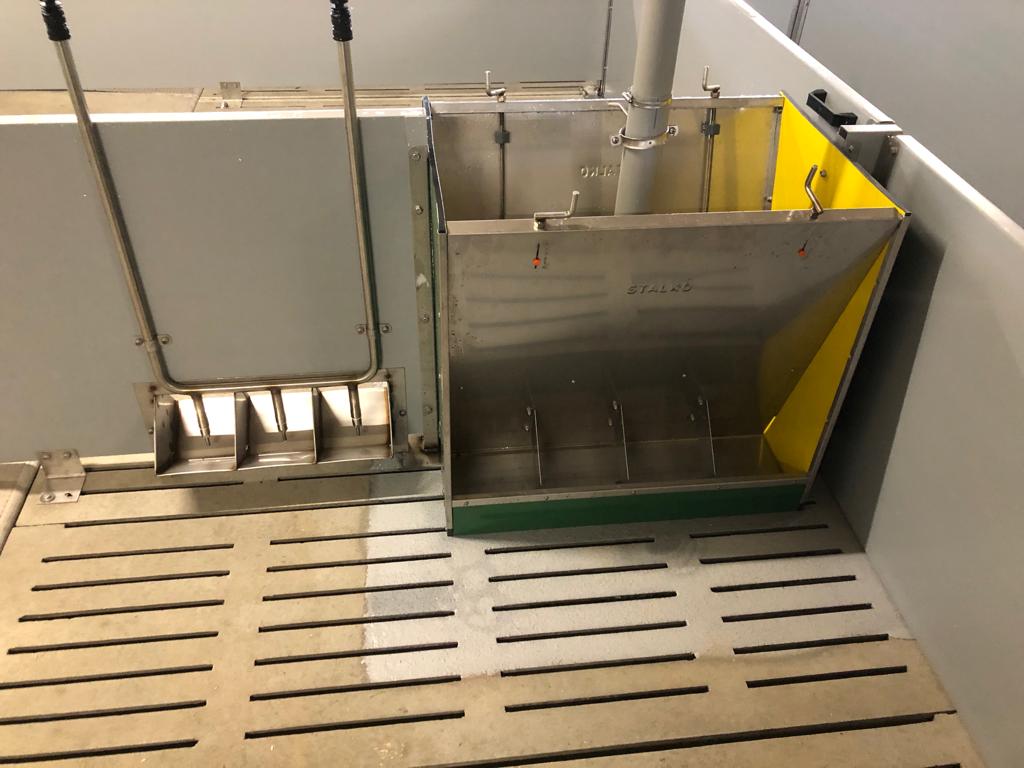
Plastic or Stainless Steel in Piglet Housing: Which Material Works Best in Each Area?
Choose materials for piglet housing by area within the pen, not across the whole building. This guide explains where stainless steel, plastic, galvanized steel, cast iron and concrete last longest, while meeting legal requirements for flooring and slat widths.
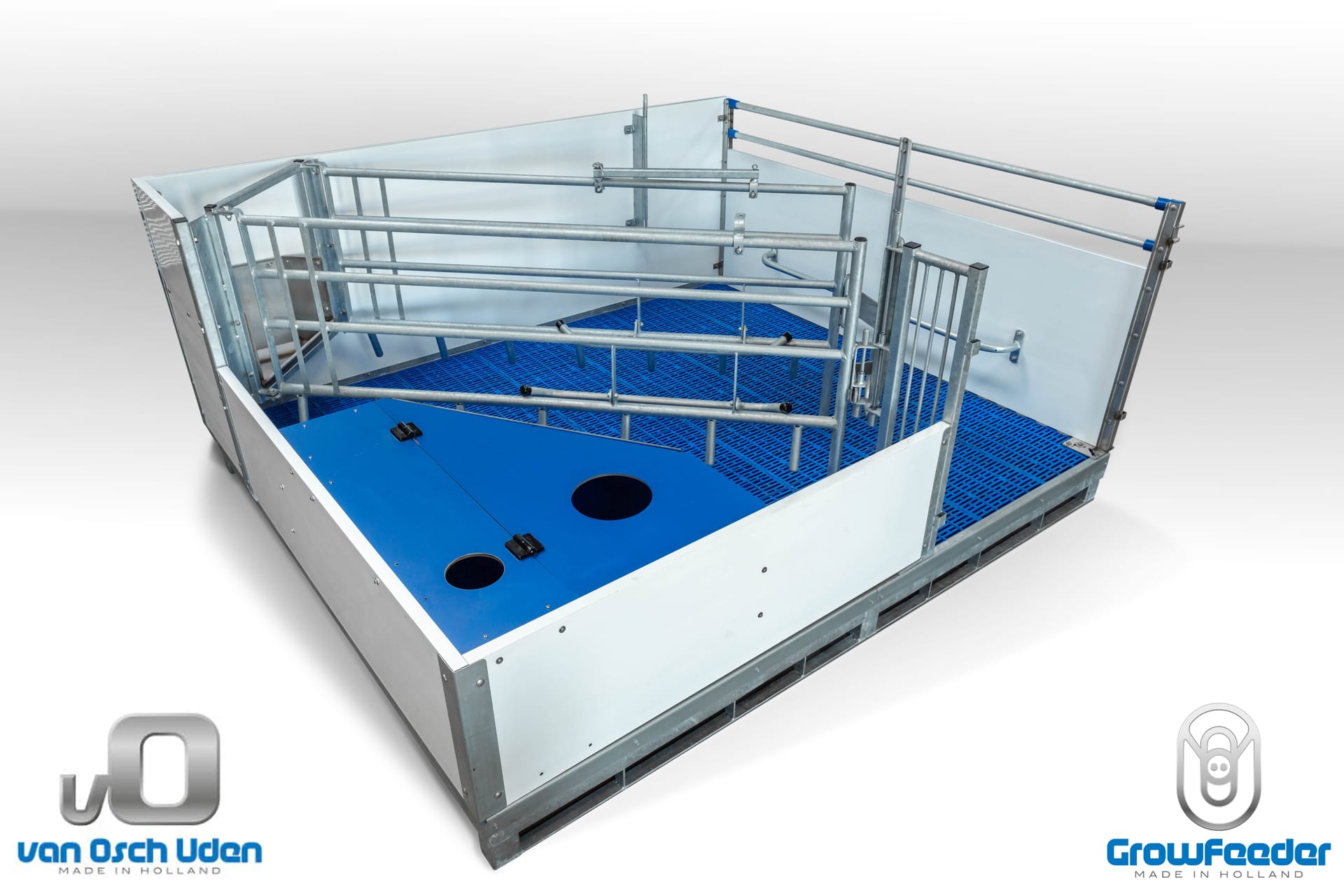
Free-Farrowing Pens in 2026: Turning Requirements into One Cohesive Barn Plan
A future-ready barn layout starts with more than a single farrowing pen or finishing pen. It depends on how dimensions, animal flow, flooring, feed and water work together. This approach shows how to turn requirements, daily routines and bespoke solutions into one practical barn plan.
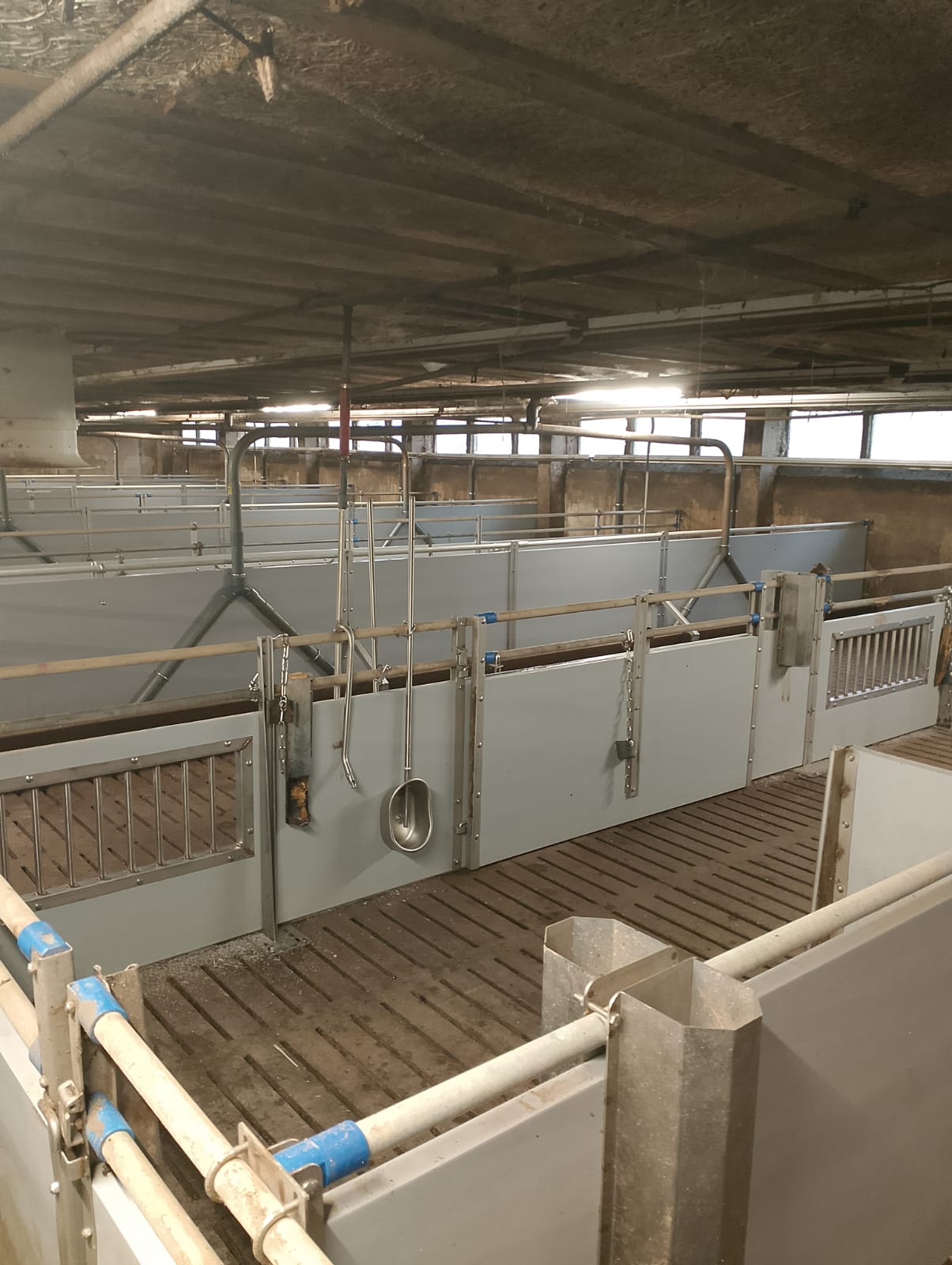
Pig enrichment materials: why the holder and pen location are often the real issue
Dutch law requires pig farmers to provide every pig with enough material to explore and play with at all times. This article explains what the Dutch Animals Keepers Decree and European guidance require, what the NVWA looks for, and how to design pens that meet the standard every day.
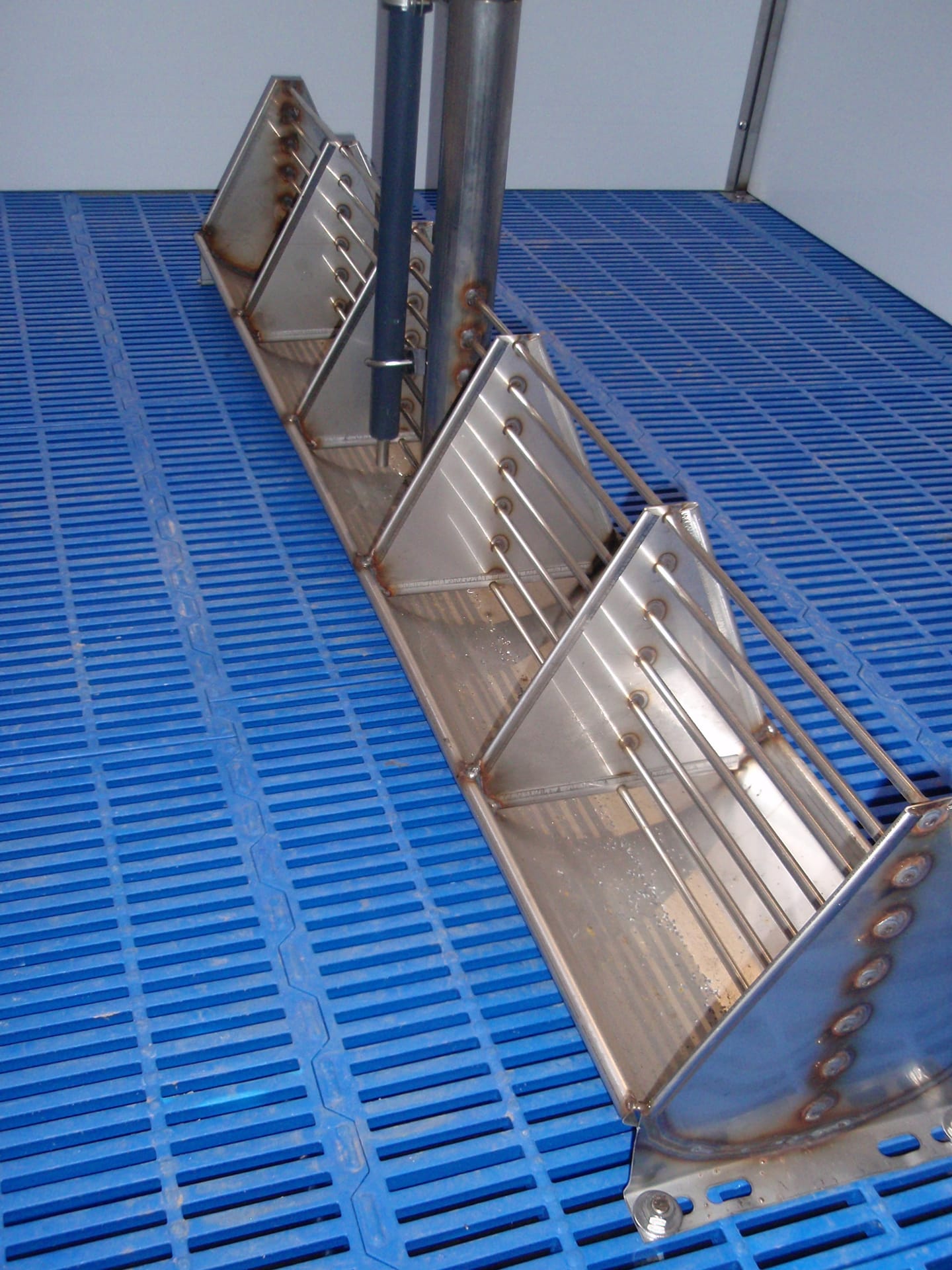
Piglet Pens in Sow Housing: How to Plan Capacity, Flooring and Traffic Flow
Piglet pens only work well when capacity, traffic flow, flooring, water supply and cleaning are planned as one integrated system. This joined-up approach is especially important in renovation projects, where it prevents makeshift solutions between the farrowing unit, piglet unit and group housing.
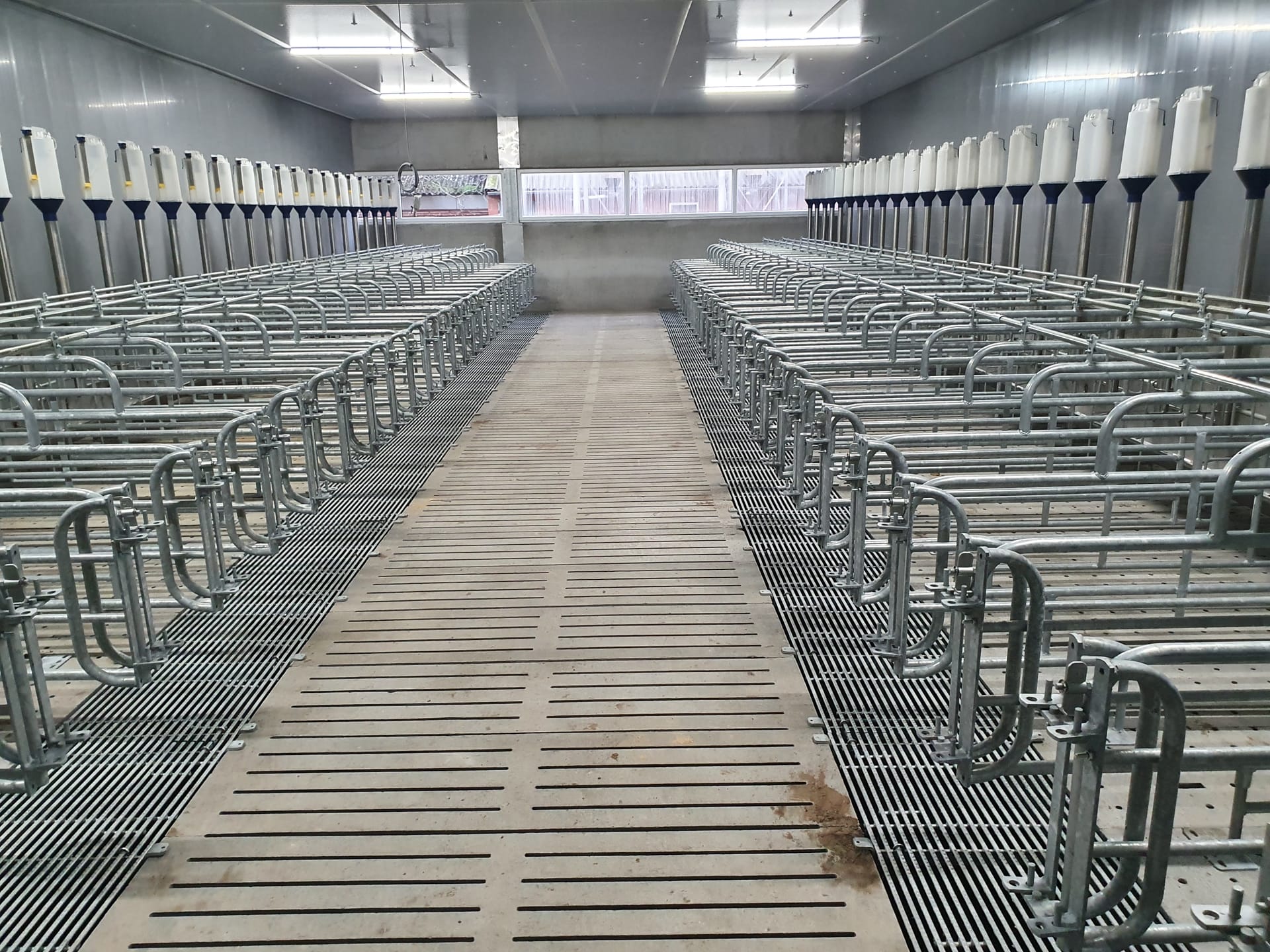
Finishing pig pen design: where to start with group feeding, flooring and material choices
When designing pens for finishing pigs, the feeding area determines pen size, not the slatted floor. This guide explains how group feeding, flooring systems and material choices work together, and what loose-housing farrowing pen design can teach you.
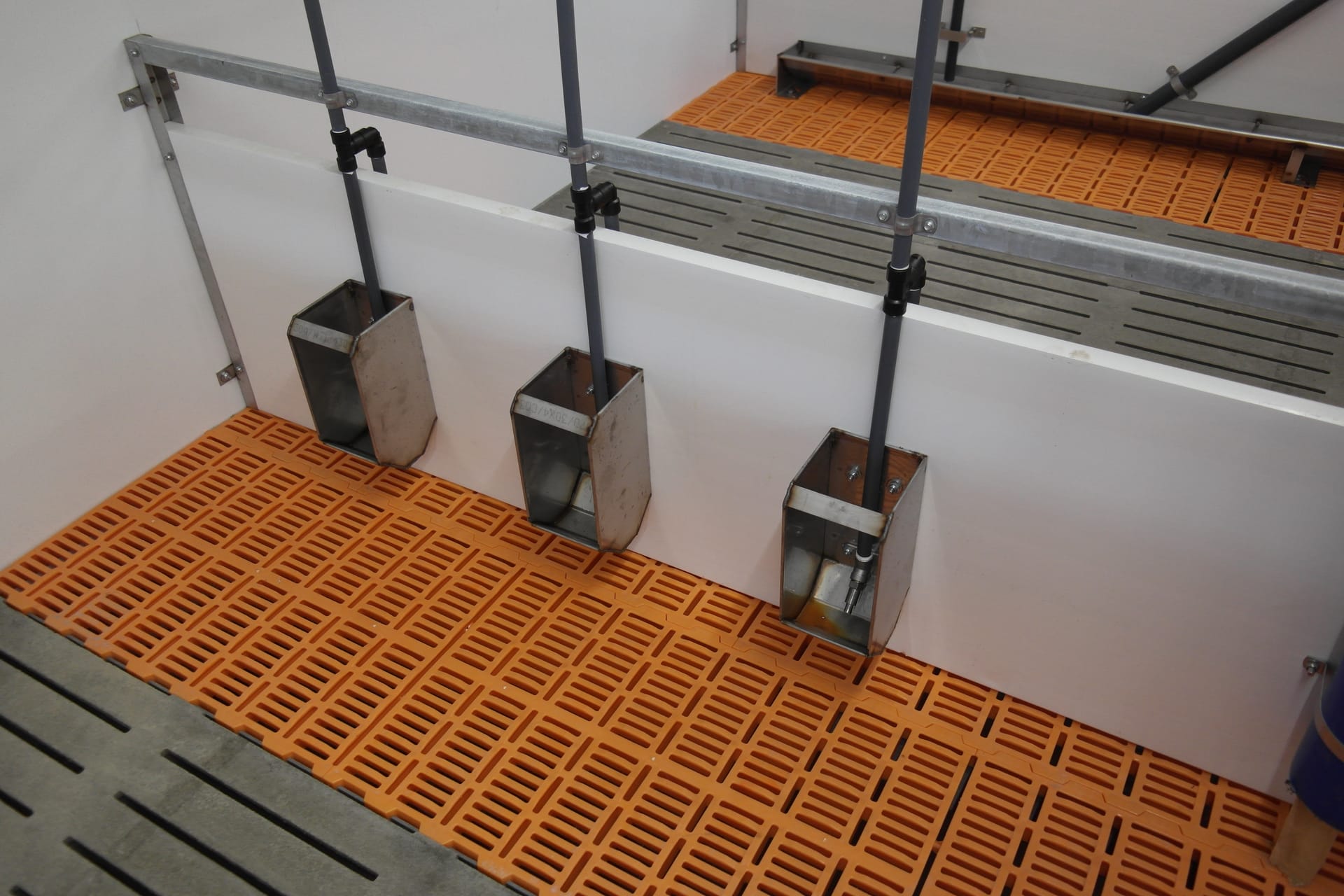
Which Pig Drinkers Reduce Spillage and Water Waste?
A drinking bowl wastes less water than a standalone nipple drinker, but only when the flow rate, mounting height and pen location are properly matched. Here is how to get it right for each group of pigs, from conventional farrowing crates to loose housing farrowing pens.

Choosing and Positioning Piglet Feeders in Loose Farrowing Pens: What to Consider
Pig feeders are often chosen last, even though they play a major role in how a farrowing or piglet pen performs. This guide explains which feeder suits each animal group, where it should be positioned, and how larger loose farrowing pens affect the placement of piglet feed bowls.

Stainless Steel vs Plastic Pig Drinking Bowls: Which Is the Smarter Long-Term Choice?
A plastic drinking bowl costs less upfront than a stainless steel alternative, but that saving can disappear over ten years. Replacement costs, labour and whether the bowl can be reused when converting to a free farrowing pen all affect the true cost. This cost model shows when stainless steel pays off for each animal group and when plastic remains the better option.
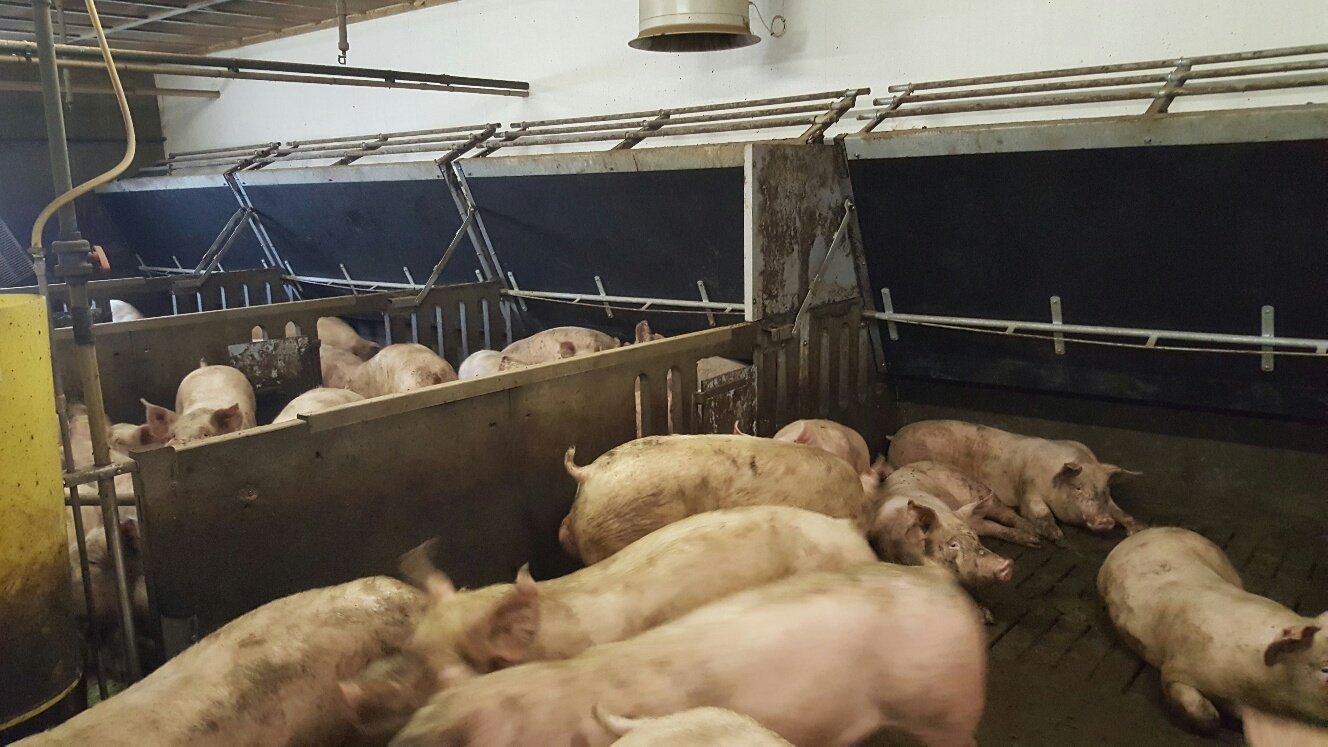
Custom Finishing Pig Pens: Avoid Costly Watering Point Mistakes
The most expensive mistakes in a custom finishing pig pen happen when the watering point is chosen only after the slatted floor, feeder and pen partitions have already been specified. This step-by-step guide explains how to determine the number of drinking points, flow rate, location and pipe routing during the design stage.
Why Stainless Steel Drinkers Last Longer in Farrowing Units Than You Think
Stainless steel drinkers in farrowing units rarely wear out. More often, the mounting hardware, valves and welds fail first. This guide explains how choosing between 304 and 316 stainless steel, using stainless steel fixings and positioning each drinker correctly can help you get the full service life from your equipment.
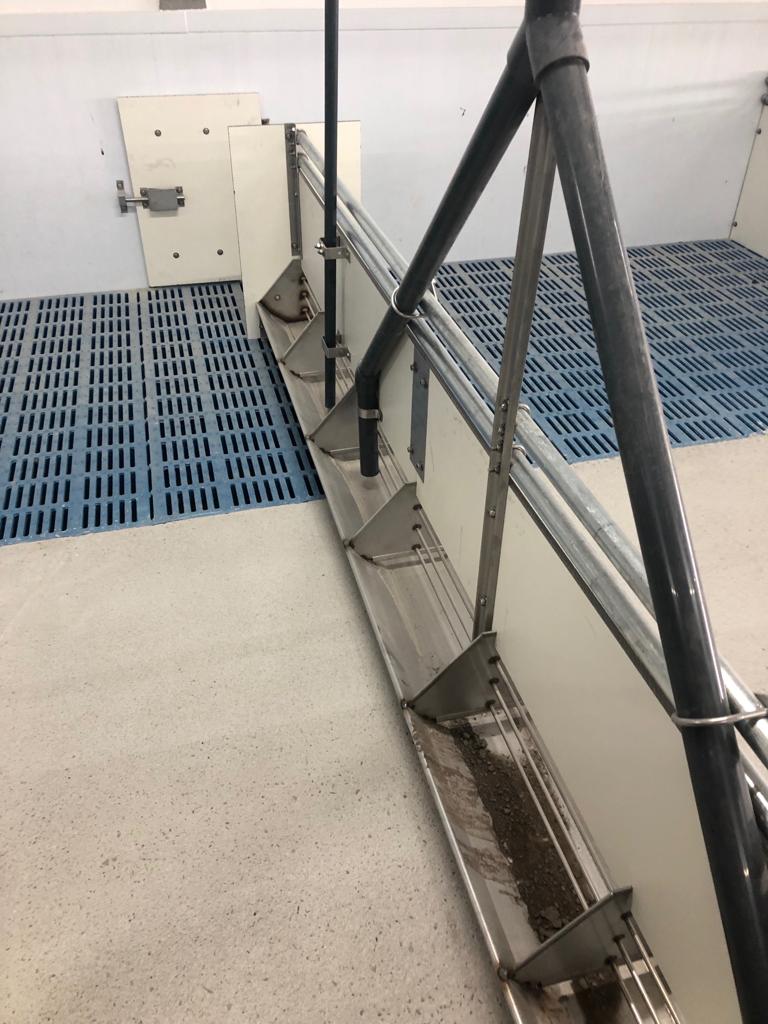
Pig Feed Troughs: Which Type Suits Your Housing System?
Choosing a feed trough does not start with stainless steel or plastic. It starts with your feeding system and the number of pigs that need to eat at the same time. This guide explains which trough design suits each housing system, how much trough space you need, and where most refurbishment projects go wrong.