


The short answer
When choosing pig water bowl materials, stainless steel offers the longest service life, but it is not always the lowest-cost option. The right choice depends on the animal group, cleaning routine and how securely the bowl is mounted in the pen. For finishing pigs and gestating sows, stainless steel usually lasts longest because it withstands chewing and pressure washing. In piglet units, plastic can perform well for years, provided the bowl is mounted securely.
- Stainless steel 304 is the standard choice in Dutch pig houses. Stainless steel 316 is mainly used where disinfection routines are particularly demanding
- Finishing pigs and replacement gilts typically drink 4 to 10 litres per animal per day
- Allow at least one drinking point for every ten pigs, including in liquid feeding systems
- Mounting hardware and water pressure are more likely to cause failures than the bowl material itself
- Letting open bowls run dry at regular intervals results in visibly cleaner water
Why do water bowls keep causing problems in pig houses?
Van Osch B.V. sees the same pattern time and again when pig producers renovate a unit. After fifteen years, the pen divisions may still be in excellent condition, while the water bowls have been replaced two or three times. That is no coincidence. A water bowl is the only item in the pen that stays wet, is constantly exposed to feed residues and manure, and is repeatedly tested by animals investigating everything in reach with their snouts and teeth.
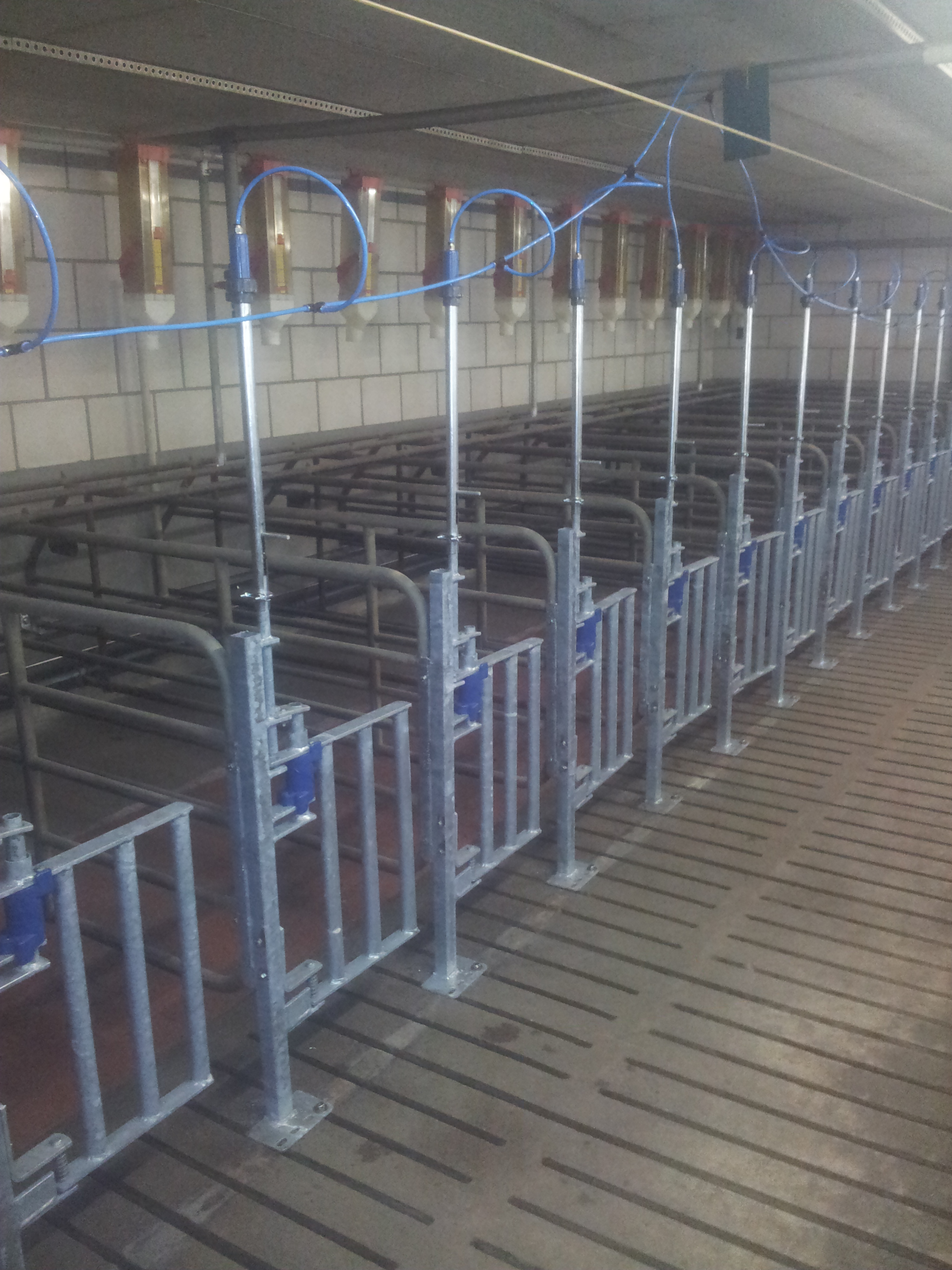
What makes matters worse is that pig water bowl material is often one of the last decisions in a specification. The flooring, troughs and pen walls are planned first, then the drinking system is ordered at the last minute. Yet this is the component that determines how often someone ends up in the unit with a wrench during the year.
Comparisons are difficult because there is very little independent research into the equipment itself. Researcher Anita Hoofs of Wageningen Livestock Research previously noted that plenty is known about water quality, but there is little information on drinking water hardware, including pipes, nipples, drinking bowls, the number of drinking points and water pressure. As a result, pig producers often have to rely on their own experience and the advice of their housing supplier.
What do we know about drinking water systems in pig production?
The picture in 2026 is mixed. On the one hand, the core figures are fairly well established. Finishing pigs and replacement gilts generally drink between 4 and 10 litres of water per animal per day, depending on age, house temperature and dietary protein levels. Even with liquid feeding, the rule of thumb of at least one drinking point per ten pigs still applies, as animals need access to fresh water in warm conditions.
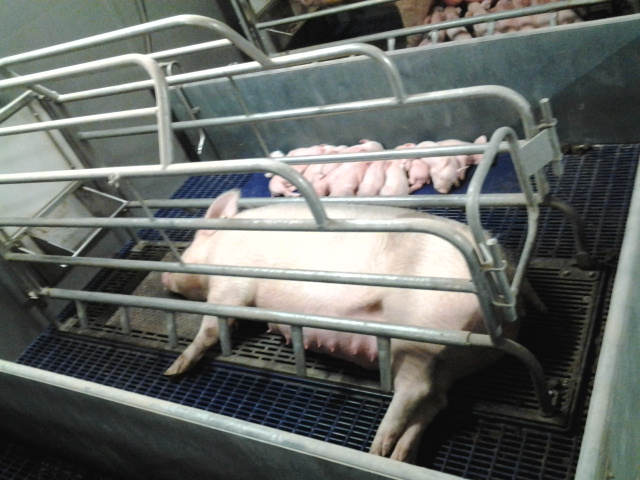
On the other hand, the standards behind these figures may be outdated. With support from the Pig Fund, Wageningen Livestock Research launched the three-year Tip Top Drinken project to establish what a drinking water system should provide for sows, piglets and finishing pigs. The fact that a multi-year project is needed to answer that question shows how limited the evidence base has been so far.
Meanwhile, the businesses making these decisions are changing in scale. According to Statistics Netherlands, the Dutch pig population fell below 10 million animals on 1 April 2025 for the first time since 1979, while the average pig farm grew to 5,000 animals. There are fewer farms, but larger units. In practical terms, that means a single fault affects more animals, and each repair carries more labour cost because one employee is responsible for more pens.
What does open water mean for hygiene?
An open water bowl needs more attention than a nipple drinker, but it can encourage calmer drinking behaviour. The key concern is bacterial water quality. Report 436 from Wageningen UR Livestock Research found that allowing water bowls to run dry periodically using a dosing system produced visibly cleaner water than continuous water supply. The drying period may also have a germ-killing effect.
That has direct implications for material selection. A bowl that regularly runs dry goes through a wet and dry cycle every day. Plastic with a slightly rough surface is more likely to retain biofilm during this cycle than a smooth stainless steel surface. Choosing a system that runs dry periodically therefore also means choosing a smoother bowl material.
Which pig water bowl material lasts longest: stainless steel or plastic?
An honest comparison starts with an inconvenient truth. In most replacement jobs Van Osch B.V. encounters in existing pig houses, the bowl material has not worn out. The mounting has failed. A perfectly good plastic bowl mounted on a galvanised bracket will fail once that bracket starts to corrode after years of exposure to manure and the bowl becomes loose. Two sows pushing against a loose bowl will soon finish the job.
That is the heart of the issue. Material selection is not just about the bowl. It is about the complete combination of bowl, bracket, pipe connection and the force animals apply to it.
Stainless steel 304 and stainless steel 316: when does each grade make sense?
Stainless steel 304, also known as A2 in construction, is the standard grade for water bowls and troughs in Dutch pig houses. It stands up well to pressure washing, is easy to weld and resists chewing. Stainless steel 316, or A4, contains molybdenum and provides better resistance to chlorides. This may matter where disinfection is intensive or where the water has a high chloride content. In practice, 316 costs more and is not necessary in every situation. Always check the water analysis for your own supply before upgrading to 316.
Where plastic is the sensible choice
Plastic water bowls are lighter, less likely to feel cold and easier to replace. In piglet units, where mechanical stress is lower and rooms are emptied and cleaned more frequently, plastic can work well for many years. The main considerations are UV exposure in outdoor units, scratches caused by pressure washing, which can become attachment points for biofilm, and the pulling force placed on mounting points.
For this reason, piglet unit layouts often use a mixed approach: plastic where it works well, and stainless steel in areas where animals push, climb or chew. For a broader comparison of both materials, the guide to stainless steel or plastic pen fittings for finishing pigs applies the same logic to walls and fencing.
A side-by-side comparison
| Criterion | Stainless steel 304 bowl | Stainless steel 316 bowl | Plastic bowl |
|---|---|---|---|
| Purchase cost per drinking point, indicative index | 100 | 130 to 160 | 40 to 60 |
| Typical service life for finishing pigs | usually 15 years or more | usually 15 years or more | often 5 to 10 years |
| Typical service life for piglets | usually 15 years or more | rarely needed | often 8 to 12 years |
| Resistance to chewing | high | high | moderate to fair |
| Vulnerability to pressure-washing scratches | low | low | higher |
| Added value with high-chloride water | limited | clear | not applicable |
| Scrap value at demolition | yes | yes | no |
The index figures are indicative and show relative costs only. They are not quotations. Always request a calculation based on your own number of drinking points.
Practical next steps:
- Count the drinking points in each unit and check the rule of thumb: at least one per ten pigs, including with liquid feed
- Record how often you have replaced a bowl or bracket in each unit over the past three years. More than two replacements per unit usually points to a material or mounting issue, not the animals
- Check the mounting hardware. Is the bowl fixed with stainless steel bolts, or galvanised parts already showing corrosion?
- Have your water source tested for chlorides before paying extra for stainless steel 316
- Calculate costs over twenty years, including labour for each replacement, not just the purchase price
Which developments will affect water bowl choices in 2026 and beyond?
Trend 1: evidence is replacing habit
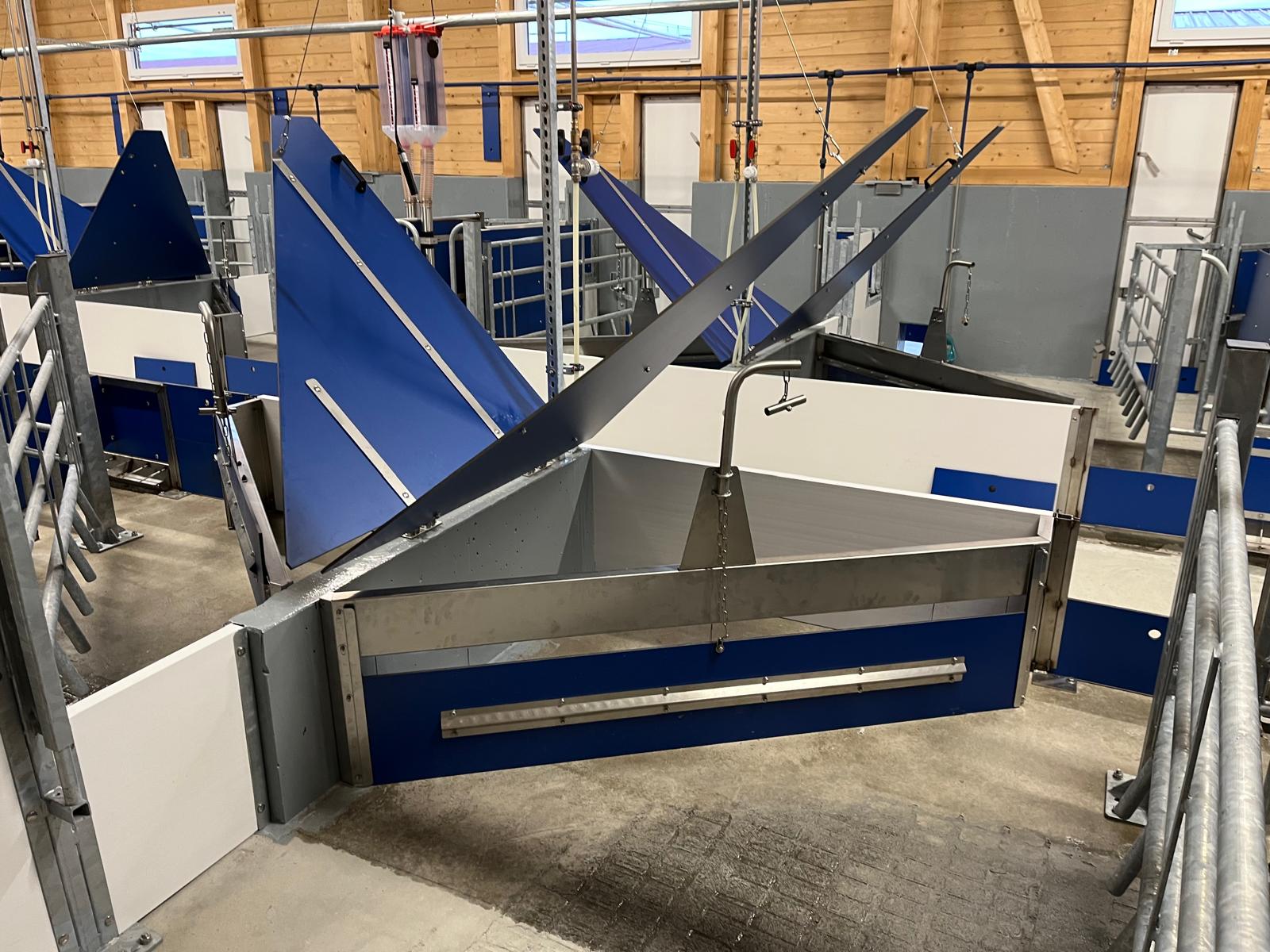
With the Tip Top Drinken project underway at Wageningen Livestock Research, the conversation around drinking water provision is shifting from experience to measurable requirements. For material choices, this will probably mean clearer expectations around cleanability and the number of drinking points for each animal group. Anyone investing now should choose a system that can be expanded with additional drinking points without replacing the entire pipe network.
Trend 2: larger operations make breakdowns more expensive
The 2025 figures from Statistics Netherlands show that the average farm is growing towards 5,000 animals. At that scale, one hour of technician time every week spent on water bowls is no longer a minor issue. The balance therefore shifts towards materials with a long, predictable service life, even where initial purchase costs are higher.
Trend 3: water hygiene is becoming part of barn design
Dosing systems and scheduled dry periods are increasingly included in the design rather than added later. This calls for bowls with proper drainage, minimal residual water and a smooth internal surface. Not every bowl currently installed in pig houses is suitable for this approach.
Trend 4: cleaning routines are becoming more demanding
Stricter farm hygiene protocols bring higher water pressure, warmer water and more aggressive cleaning products. These are exactly the conditions that wear plastic down faster, causing micro-scratches and discolouration in areas that remain wet every day.
Trend 5: custom components are replacing catalogue sizes
Because many units are renovated rather than built from scratch, standard bowls increasingly fail to fit existing pen divisions. Demand is therefore growing for custom stainless steel components, including bowls designed to match existing wall profiles and pipe positions precisely.
What does this mean for your next replacement project?
Consider a pig producer with two sites and around 4,000 finishing pigs, replacing the drinking system in four units. The plastic bowls installed previously lasted between five and eight years on average, with additional repairs to brackets that had been pulled loose. Each replacement cycle involves more than material costs. It also requires downtime and several hours of labour per unit.
The calculation that matters is not the purchase price per bowl. It is the cost per drinking point per year, including labour and lost days. On that basis, stainless steel usually comes out ahead for finishing pigs and gestating sows, while plastic remains a good choice for piglet units and temporary installations.
There is a second lesson in this scenario. Buy water bowls, troughs and pen divisions from one supplier. Pig producers often find that coordinating bolt holes, wall heights and pipe penetrations across multiple suppliers costs more time than any small price difference is worth. Because Van Osch B.V. handles design, engineering and production under one roof in Uden, custom water bowls and troughs can be matched directly to the pen divisions they are fitted to, including the water pipe position.
Service matters too. The Five O’s of Van Osch, Solution-Oriented, Supportive, Open, Organised and Sincere, are not simply a slogan. They are a working commitment that includes a callback guarantee within one business day. For equipment that needs to be repaired within a day when it fails, that matters more than a specification sheet.
Practical next steps:
- Calculate the annual cost per drinking point for each animal group: purchase cost divided by expected service life, plus labour hours for each replacement
- If the cost of plastic is within 20 percent of stainless steel, choose stainless steel because its service life is more predictable
- When requesting a quotation, specify who is responsible for connecting the system to the existing water line
- Ask about lead times for replacement parts. If they exceed two weeks, you may have to improvise when a fault occurs
How should you plan a drinking system replacement step by step?
- Measure the current setup. Record the number of drinking points, the number of animals and water pressure at the end of the line, not at the tap.
- Define your cleaning routine. If you pressure wash and disinfect after every batch, scratch resistance matters more than purchase price.
- Choose material by animal group, not for the entire farm. Finishing pigs and gestating sows place different demands on equipment than piglets.
- Check the mounting before choosing the bowl material. Bolts, brackets and wall connections should be the same quality as the bowl. Otherwise, the weakest link fails first.
- Build in capacity for expansion. Position the pipework so an extra drinking point can be added to each pen later without opening up the unit.
- Have the design reviewed by someone who understands pig housing. For renovation projects, Van Osch B.V. advisers routinely assess whether the existing pen divisions can mechanically support the new water bowls.
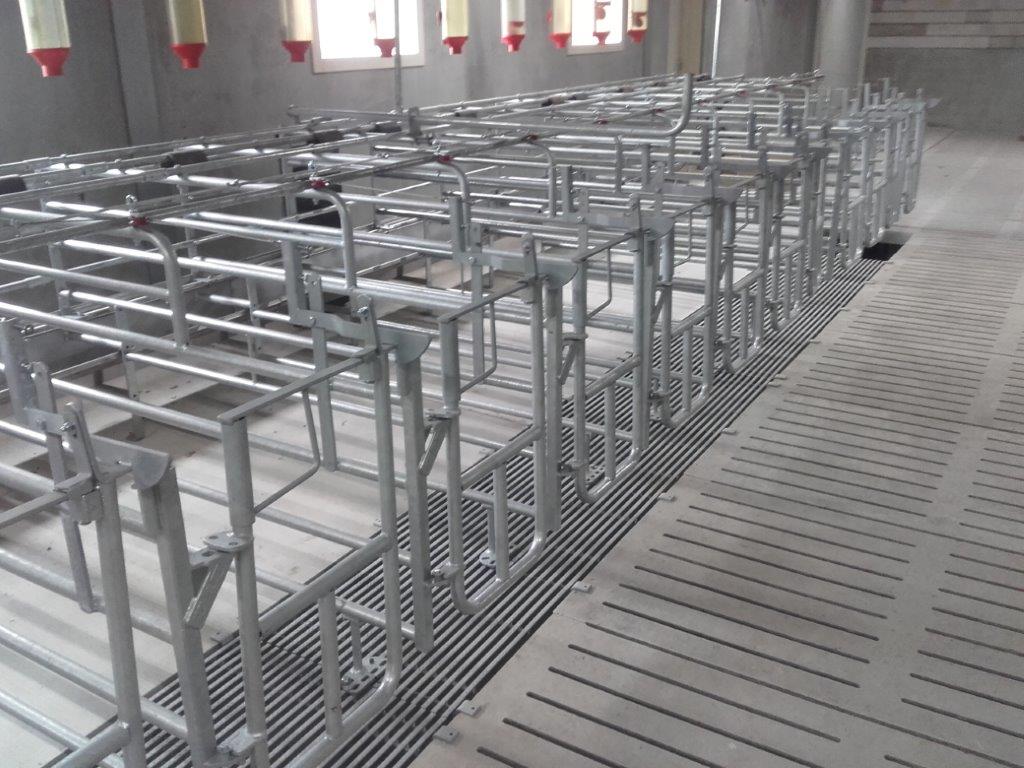
Following this order helps prevent the most common mistake: fitting a good bowl to a structure that was never designed to support it. The same thinking is used when designing a farrowing house, where the sow water bowl and piglet water bowl each require their own height and position.
Frequently asked questions
What is the best material for pig water bowls?
There is no single best option for every situation. For finishing pigs and gestating sows, stainless steel 304 usually lasts longest because it withstands chewing and pressure washing. In piglet units, plastic can perform well for years if the bowl is installed on stainless steel mounting hardware. Assess the choice by animal group and calculate costs across the full depreciation period.
How many drinking points do I need per pen?
A practical rule of thumb is at least one drinking point for every ten pigs. This still applies with liquid feeding because pigs need access to fresh water in warm weather. Too few drinking points can lead to restlessness and unwanted behaviour in the pen. If you are unsure, check your current ratio before redesigning a unit.
How much water does a finishing pig drink each day?
Typically between 4 and 10 litres per animal per day. The range depends on age, house temperature and the protein content of the feed. When sizing pipework, use the upper end of that range so pressure does not drop at the end of the line on warm days.
Who supplies water bowls that fit existing pen divisions?
Custom manufacturing solves the problem when standard catalogue sizes do not fit. Van Osch B.V. produces stainless steel water bowls and troughs in-house in Uden, matching bolt spacing, height and pipe entry points to the existing housing system. This avoids time-consuming adjustments with adaptor plates during renovation. Include photos and measurements of the existing wall profile with your enquiry.
Why do water bowls get dirty faster than expected?
Standing water in an open bowl is the main cause. Research by Wageningen UR Livestock Research found that allowing bowls to run dry periodically with a dosing system produces visibly cleaner water than continuous supply, with a germ-killing effect. Choose a bowl with a smooth finish and proper drainage, as scratches and residual water encourage biofilm to build up.
Conclusion
Choosing pig water bowl material is not simply a product decision. It is a system decision. Bowl material determines the potential service life, but the mounting, water pressure and cleaning routine determine when the bowl needs attention in real-world conditions. Comparing purchase prices alone focuses on the smallest part of the overall cost.
Start by measuring the essentials: drinking points per pen, water pressure at the end of the line and the number of replacements over the last three years. Then decide whether stainless steel or plastic suits each animal group. Finally, calculate the costs over twenty years, including labour and downtime.
That is also how Van Osch B.V. approaches renovation projects: assess the existing structure first, then choose the material. A water bowl that suits both the building and the animals should still be doing its job fifteen years from now.
Sources
- over de hardware van drinkwatervoorziening weinig te vinden is — Nieuweoogst
- Tip Top Drinken — Agriholland
- CBS — Cbs
- rapport 436 van Wageningen UR Livestock Research — Edepot
- Varkensstapel voor het eerst in ruim 45 jaar onder de 10 miljoen — CBS (Centraal Bureau voor de Statistiek)
- Wageningen Livestock Research onderzoekt drinkwatervoorziening van varkens — AgriHolland
- Aandacht voor watervoorziening varkens stijgt — Nieuwe Oogst
- Altijd genoeg drinkwater gaat niet vanzelf — Nieuwe Oogst