


Anyone comparing EuroTier 2026 with the previous edition will notice three clear shifts in free-farrowing pens. The benchmark pen size is moving towards 7.5 m². Cameras and sensors are increasingly becoming part of the farrowing setup. And the question is no longer simply which pen to buy, but which one will still suit your operation in ten years’ time. The steel pen itself has changed less than the show floor might suggest. If you walked the halls in Hanover in 2024, you will get the most value by focusing on dimensions, day-to-day operation and upgrade options, rather than the newest screen.
Is a free-farrowing pen from the previous EuroTier already outdated?
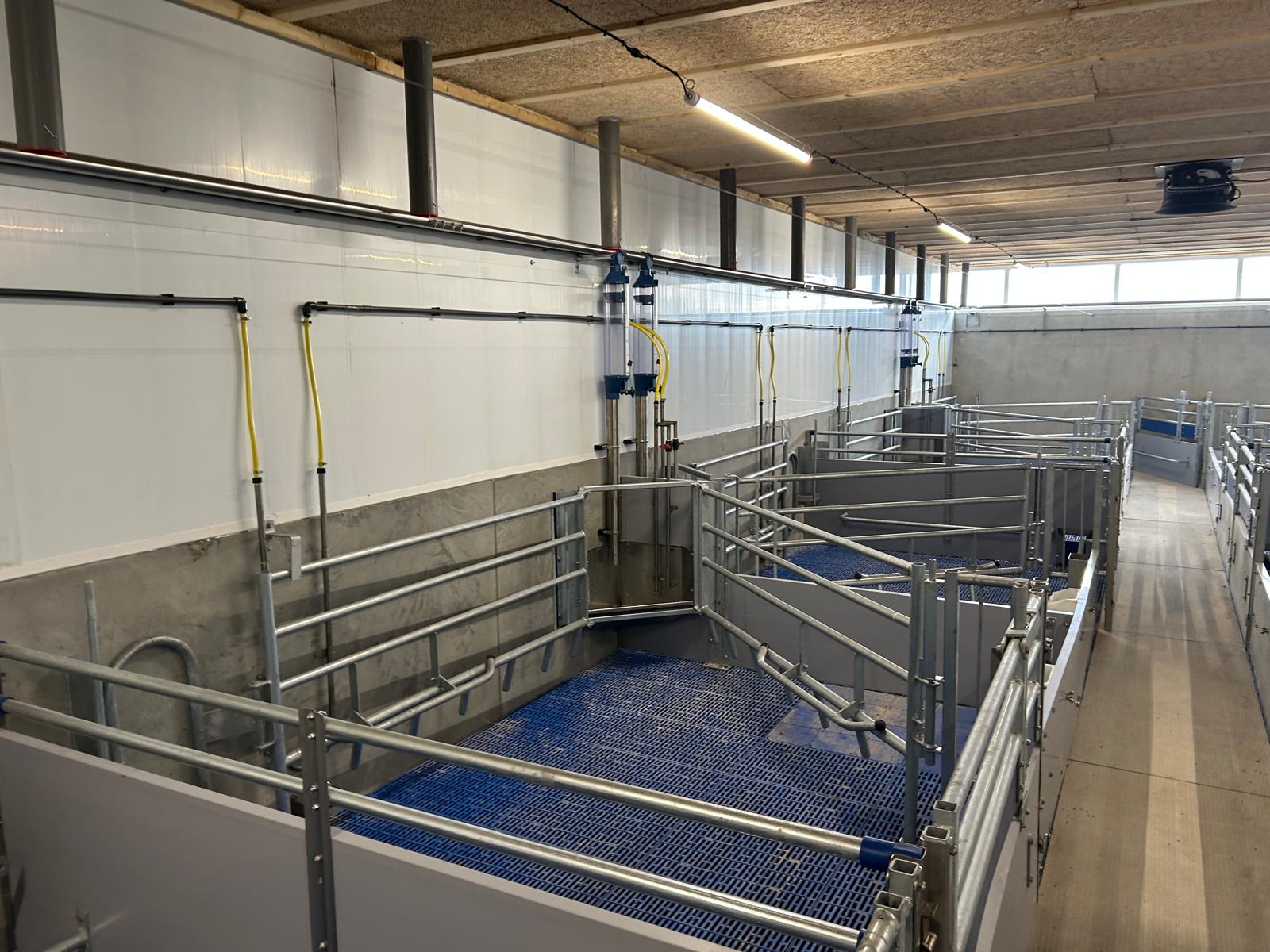
Usually not, at least not at its core. The principle of a free-farrowing pen has not changed: the sow can move freely, while piglets have their own protected area. This principle is also reflected in European legislation. Under Directive 2008/120/EC, farrowing pens where sows can move freely must provide protection for piglets. Every system shown at earlier editions already needed to meet that requirement.
What has changed is the wider context around the pen. According to Nieuwe Oogst (2026), the Dutch Society for the Protection of Animals has tightened the criteria for its Beter Leven animal welfare label. By 2035 at the latest, all participating farms will need free-farrowing pens of at least 7.5 m². A review of whether permits can be issued in practice is planned for 2030.
For your plans, this means a pen layout designed for a smaller footprint two years ago is not technically obsolete. It may, however, be too small for the welfare scheme or market you will be supplying in the future. Have this assessed for your individual farm, as requirements vary by certification scheme, country and permit.
What does a EuroTier 2026 comparison with the previous edition reveal?
The show has a clear focus this year. According to the EuroTier programme, the 2026 edition centres on “Intelligence in Animal Farming”. The technical programme focuses on automation, data and AI in livestock production. As you walk through the farrowing equipment stands, this shows up in four areas.
1. Technology is moving into the pen. According to Nieuwe Oogst (2026), the independent DLG panel assessed 176 recognised innovations for the innovation awards. Four received gold and 27 received silver. One gold winner is a camera and AI-powered support system for the farrowing pen. According to Boerderij (2026), the system analyses the behaviour of both sow and piglets. Using real-time data, it automatically adjusts the temperature in the piglet creep and the feeding curve.
2. Pen sizes are increasing. Because of the Beter Leven criteria, 7.5 m² is becoming the starting point for many new-build projects, rather than the upper limit.
3. Investment per sow place is rising. The cost of a full conversion varies considerably depending on the building, pen size, and changes required to the flooring, slurry pit and equipment. Instead of relying on a single cost per sow, work from a full-room budget.
4. Comparing systems is becoming more difficult. Every stand displays a different combination of pen design, temporary confinement, creep solution, flooring and electronics. For dealers comparing several brands side by side, that makes a fair assessment more challenging.
Why is comparing prices per pen and floor area no longer enough?
Imagine walking the exhibition halls with notes from the previous edition. They may list pen dimensions, price and perhaps the type of temporary confinement. In 2026, that only tells half the story, for four reasons.
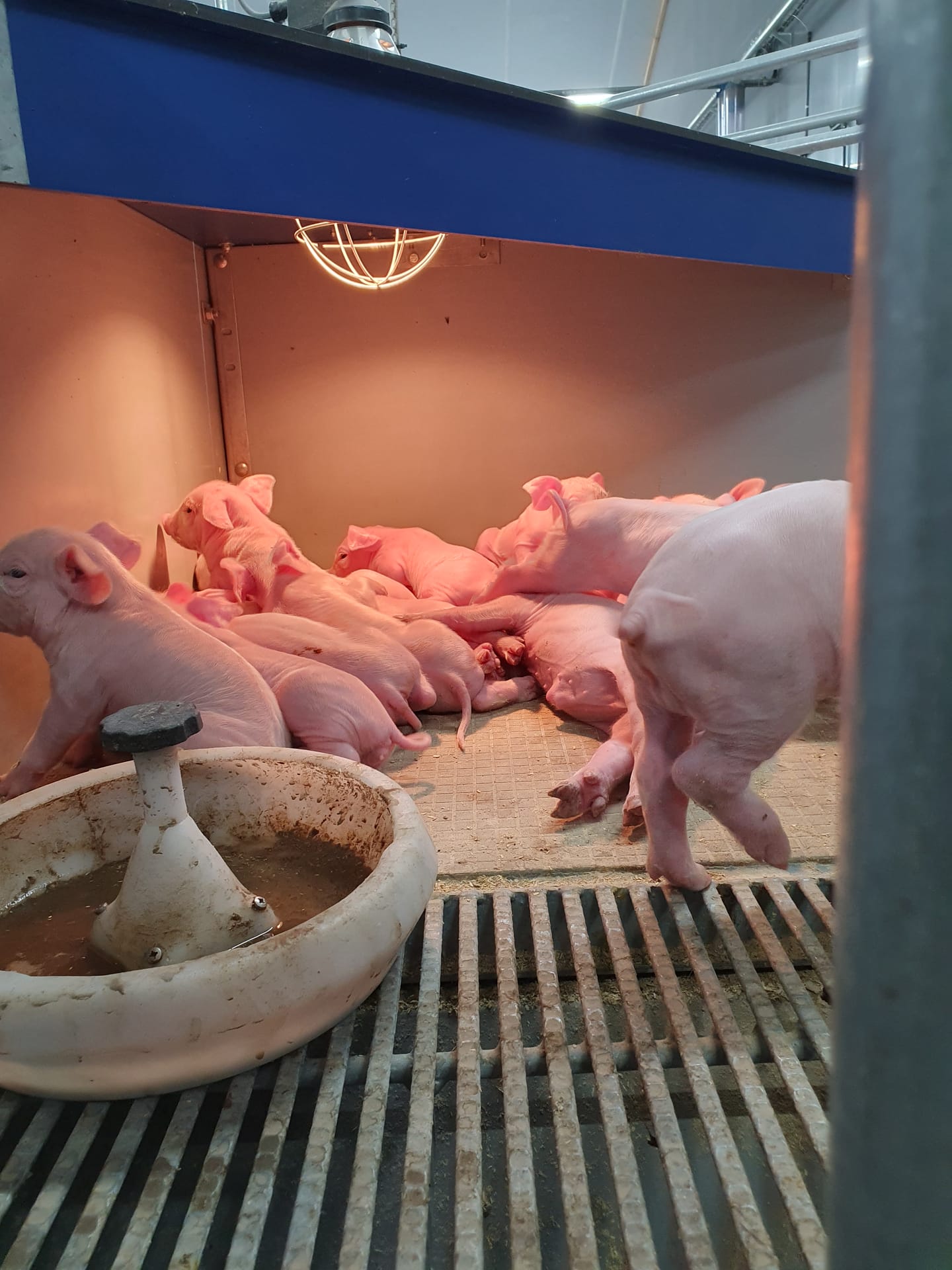
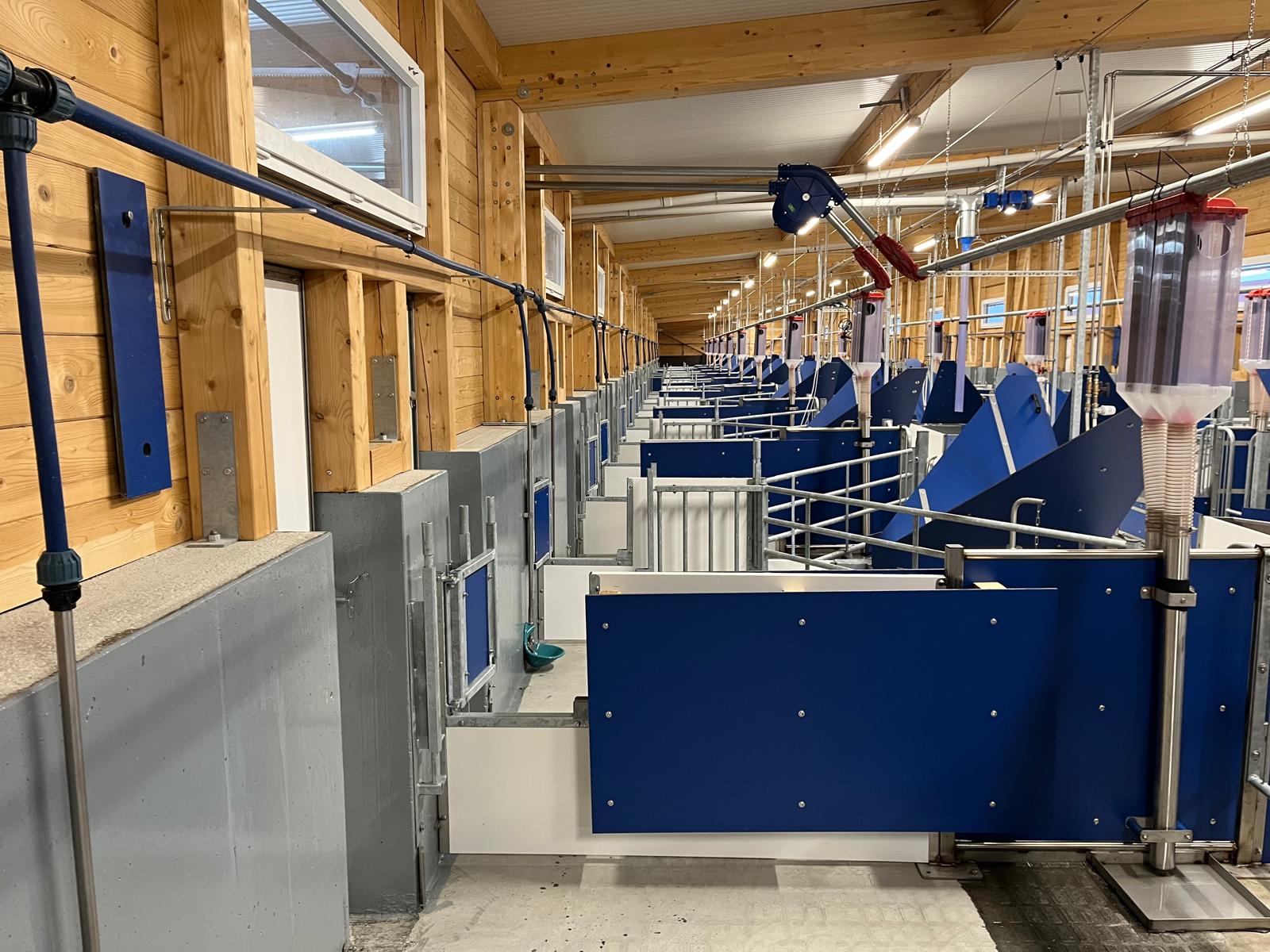
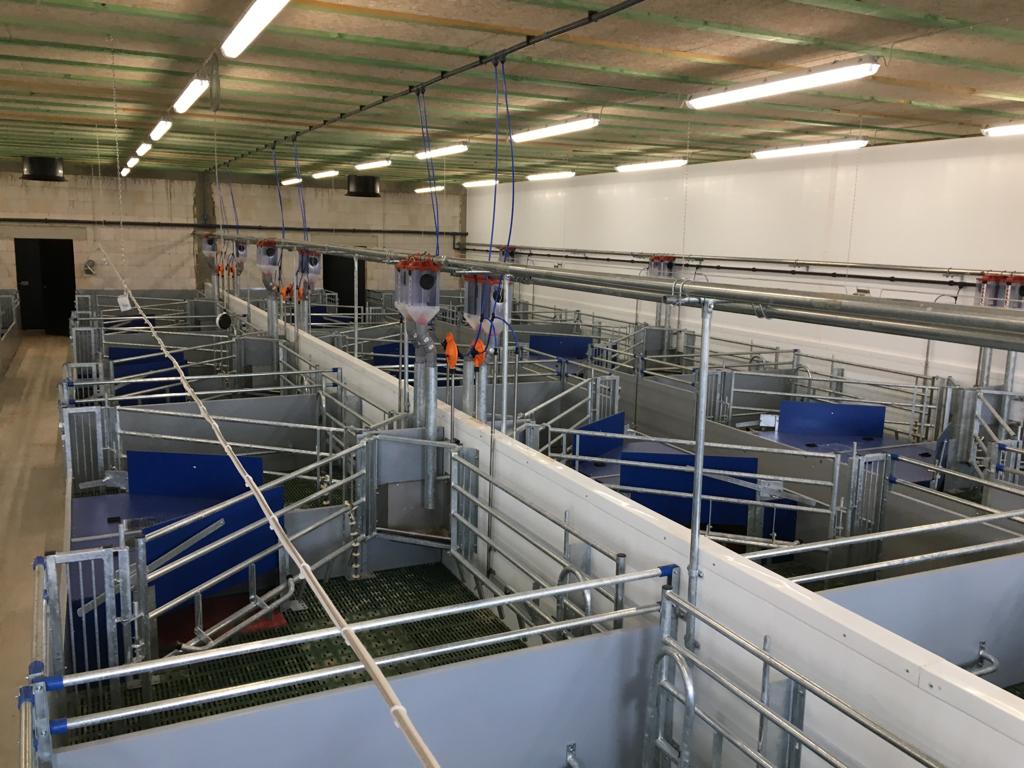
First, the exhibition model is a single pen arranged to look good on a stand. It says little about how twenty or forty pens will fit into your room, with your aisle width, slurry pit and ventilation system. This is why there can be a substantial difference between an exhibition price and a project price. Find out more in exhibition price versus quote price for a free-farrowing pen.
Second, steel and electronics have very different lifespans. A well-built pen in stainless steel or galvanised steel will generally last for many years in practice. Software and camera systems are updated much more frequently. Comparing both as one package can lock rapidly changing technology into a structure built for the long term.
Third, the components around the pen are often left out of the comparison. Slatted flooring, feed troughs, drinkers, creep covers and heating all affect the amount of daily work required in the room. A pen that performs well on its own can still create extra work if, for example, the slatted floor does not integrate properly with it.
Fourth, the size standard is shifting. A pen that looked spacious in 2024 may soon be too small for Beter Leven participants. An old checklist will not account for that.
How should you assess free-farrowing pens at EuroTier 2026?
The most practical approach is to assess each pen across three separate layers.
The first layer is construction: materials, dimensions and anchoring. This is the part that lasts the longest and is hardest to change later. Ask whether the pen can be built at 7.5 m² or more within your building dimensions, whether panels are available in stainless steel, plastic or galvanised steel, and how it connects to the slatted floor.
The second layer is function: how the sow is protected during the first days, how temporary confinement operates, and how the pen opens. This is where ease of operation matters. Does an employee need one action per pen or three? Across a room with dozens of pens, that difference quickly adds up in labour hours.
The third layer is technology: cameras, sensors, creep heating and feed control. This is where most innovation is happening, but it is also where the risk is greatest of buying something that will be overtaken in a few years.
This point is often missed. Do not let a gold innovation award decide which pen you choose. Choose a structure that leaves room for technology, such as cable routes, mounting points for cameras above the creep, and creep heating that can be controlled externally. That way, you can add or replace electronics later without having to remove the pen.
| Question at the previous edition | Better question at EuroTier 2026 |
|---|---|
| How many m² is this pen? | Can this pen be built at 7.5 m² or more within my room dimensions? |
| What does one pen cost? | What does a complete room cost, including slatted flooring, troughs and creeps? |
| What type of confinement does it have? | How many actions are needed to open and close each pen? |
| Does the pen have sensors? | Can I add sensors and cameras later without modifying the pen? |
This lets you address each issue separately. The size standard falls under construction, investment can be compared by room rather than by individual pen, and technology becomes a decision you can postpone. For help turning these layers into one practical design, see the article on turning requirements into one cohesive pig house plan.
How should you prepare for EuroTier if you attended the previous edition?
You have an advantage over first-time visitors: you already know the basics. Use that knowledge to get to the key questions faster.
- Compare your earlier plan with today’s size standard. Does the pen size on your drawing still match what your market or certification scheme will require? If not, calculate how many 7.5 m² pens fit in your room. That number determines your sow places and, in turn, your business case.
- Bring your building layout. Room dimensions, aisle widths, slurry pit depth and ventilation locations turn a general discussion into a conversation about your own pig house.
- Ask questions by layer. Keep construction, function and technology separate. This makes it possible to compare answers from different stands properly afterwards.
- Ask about the fallback plan during every technology demonstration. What happens if the camera or software fails? Can the creep climate still be controlled manually? A system that stops working without power or a network connection is a risk in the farrowing room.
- If you are a dealer, ask about post-show support. Can the manufacturer provide custom solutions for existing buildings? How quickly are replacement parts available? Who supports your end customer if something is wrong after installation?
- Schedule the next step before the show. Booking a quotation meeting based on your own drawings in the following weeks prevents those first impressions from fading.
For renovation projects, step 1 is the most important. New builds give you more freedom, but pen size will determine the length of the building. Once the permit application has been submitted, that decision is difficult to reverse.
Frequently asked questions
When and where is EuroTier 2026?
EuroTier 2026 takes place from 10 to 13 November 2026 at the exhibition grounds in Hanover. Opening hours and the location of the pig halls can be found in this overview of when and where to find free-farrowing pens.
Should I wait to invest until AI systems for farrowing rooms are fully developed?
Waiting is rarely necessary if you assess the structure and technology separately. You can install a pen that is ready for cameras or sensors to be added later. Then you can choose the electronics when they deliver a worthwhile return for your farm.
Is 7.5 m² per free-farrowing pen a legal requirement in the Netherlands?
The 7.5 m² standard is a Beter Leven certification requirement in the Netherlands, due to take effect by 2035, with a review in 2030. It is not a general legal requirement. The size that applies to your farm depends on your sales market, certification scheme and permit, so have your situation assessed individually.
Can an existing farrowing room be converted to free-farrowing pens?
Conversion is often possible, but room dimensions are usually the limiting factor. A larger pen normally means fewer pens in the same space, and may require changes to the slatted floor or slurry pit. A dimensioned drawing of the existing room will quickly show what is feasible.
What does a dealer look for at the show that differs from a pig producer?
Dealers pay closer attention to how well a system can be used in different buildings, as well as delivery reliability and service. A pen that only fits new-build dimensions is less useful for a dealer whose customers mainly have renovation projects.
Bring your building dimensions and your 2024 plan to Hanover
The comparison between EuroTier 2026 and the previous edition is clear: decide on the structure and pen size first, then keep technology as an upgradeable option. Visitors who arrive with a floor plan and focused questions for each layer will go home with answers they can genuinely compare.
Van Osch designs and manufactures custom free-farrowing pens in Uden for both existing and new pig houses, with experience in conventional farrowing crates and free-farrowing systems. You can find Van Osch at EuroTier in Hall 14/15, stand 15J26. Bring your drawings with you, or explore farrowing sow housing in advance and request advice for your own farrowing room.
Sources
- Richtlijn 2008/120/EG — Eur-lex
- Nieuwe Oogst — Nieuweoogst
- programma van EuroTier — Eurotier
- Boerderij
- Programme – EuroTier 2026 — DLG / EuroTier
- Vier gouden EuroTier-innovaties zetten in op slimmer werken in de stal — Nieuwe Oogst
- EuroTier 2026: deze innovaties springen eruit voor varkenshouders — Boerderij
- Richtlijn 2008/120/EG van de Raad van 18 december 2008 — EUR-Lex / Raad van de Europese Unie