


After EuroTier, it typically takes six to eighteen months before a free farrowing pen is operational in your own barn. The biggest variable comes down to one question: do you need an environmental permit? For a refurbishment within an existing farrowing house that does not require a permit process, the lead time for a free farrowing pen after the trade show is usually around four to eight months. Manufacturing and installation are rarely the bottleneck. Design decisions, permits and grant conditions set the pace. If you want to install in the 2027 construction season, you need to lock in the key decisions this winter.
Why Pen Delivery Times Are Not Your Real Project Timeline
At the show, many pig farmers ask about the delivery time for the pen in front of them. It is a fair question, but it is only one part of the process. Before anything can be manufactured, the system, pen dimensions, room layout and financing all need to be agreed. New builds and extensions also bring permits into the equation.
The table below shows how the process is typically structured in practice. These are practical estimates, not fixed deadlines.
| Phase | Typical timeframe | What determines the duration |
|---|---|---|
| Initial research and system selection | 1 to 3 months | Farm visits, comparing options, discussions with successors, advisers and the bank |
| Barn design and tailored quotation | 1 to 3 months | Measurements of the existing barn, number of rooms and number of drawing revisions |
| Permits and financing | 0 to more than 6 months | Whether an environmental permit is needed, the type of procedure and grant conditions |
| Engineering and manufacturing | A few weeks to around 3 months | Level of customisation, material choices (stainless steel, galvanised steel, plastic) and manufacturer workload |
| Installation and commissioning | A few days to weeks per room | Installation sequence, farrowing cycles and feed and water connections |
The design stage is often underestimated. A trade show pen is a standard configuration. Only when it is drawn into your own room do you see what needs to change to the slatted floor, aisle width and position of the feeder and drinker. That also affects the price, as the difference between a trade show price and a tailored quotation for a free farrowing pen demonstrates. Each round of drawing revisions can easily add a few weeks.
Which Rules and Timelines Affect Free Farrowing Pen Lead Times After the Trade Show?
“We deliver our materials on time, so customers can count on us.”
Bas van den Heuvel
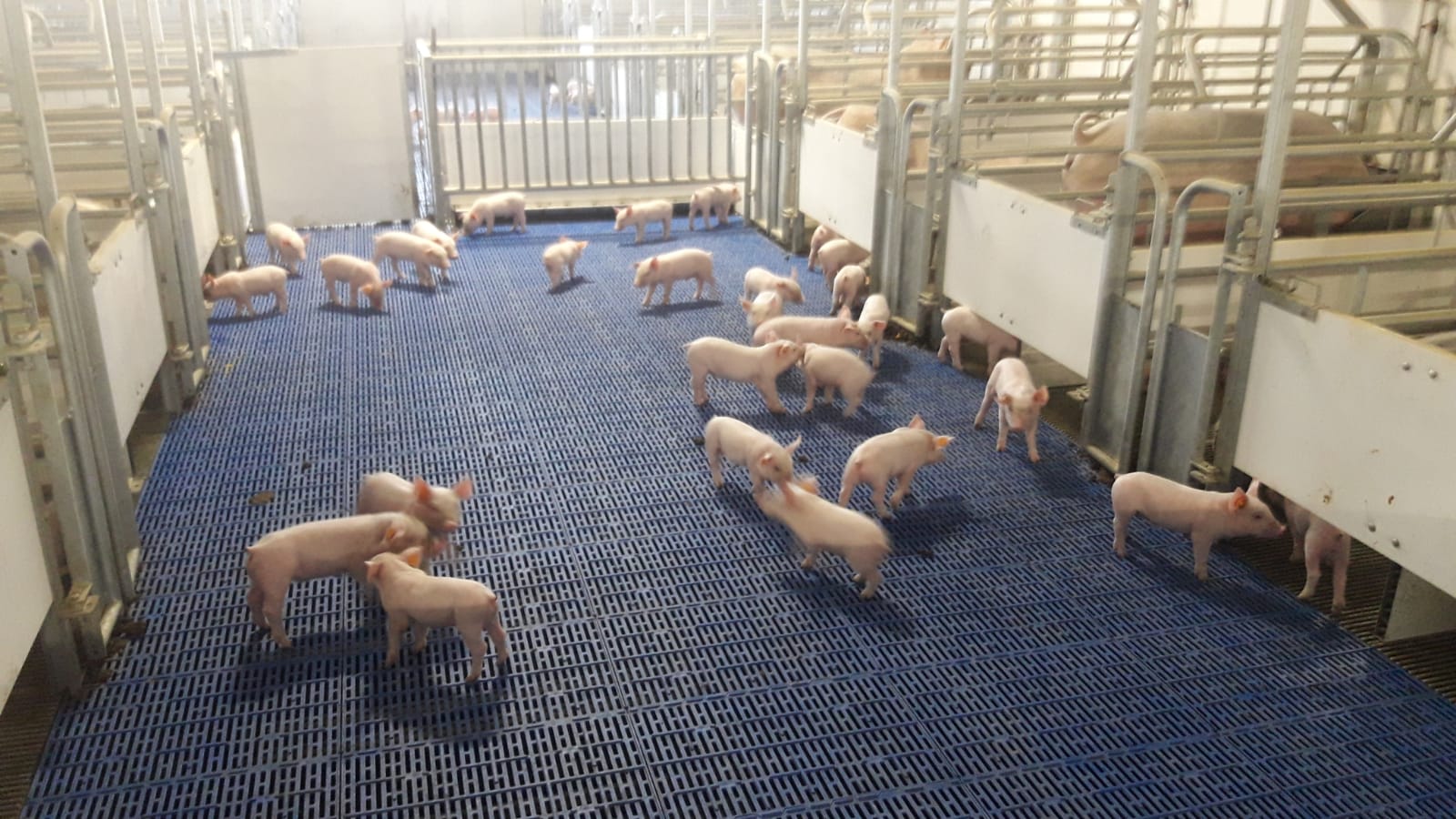
Three areas of regulation and commercial agreements determine the pen size and pace that make sense for your farm. According to the Dutch Ministry of Agriculture, Nature and Food Quality, housing must be in place by 2028 that allows farrowing sows to move freely, for example in a free farrowing pen. This is included in proposed legislation on more welfare-friendly livestock farming, which was still awaiting parliamentary approval at the time of writing. Under the agreement Stappen naar een Dierwaardige Veehouderij, free farrowing pens will become mandatory in new builds from 2030, according to Nieuwe Oogst (2025). The same report notes that free farrowing pens and functional areas require more space, meaning the building footprint must increase.
Do you participate in the Beter Leven quality mark? From 2035, a 7,5 square metre free farrowing pen will apply across all three star levels, with a transition period until 2045 for smaller pens (Nieuwe Oogst, 2024). That pen size determines whether your current room still works. A larger pen means fewer places per room or a larger barn, and the latter often requires a permit.
For construction-related environmental permits, the standard procedure usually applies. In that case, the municipality decides within eight weeks, with a one-time extension of up to six weeks. Major deviations from the environmental plan follow an extended procedure of six months.
Grant schemes add another requirement. Under the Sbv scheme administered by RVO, you may only start the investment once the required permit has been granted. An overview prepared for the Dutch House of Representatives (2024) shows how long this can take: trial barn applications in the Sbv innovation module had an average gross lead time of 36,5 weeks, compared with 18,8 weeks net. The difference mainly came from waiting periods and requests for additional information.
How Do You Plan Backwards From Your Target Construction Season?
Start with the date you want the first sows to occupy the new pen, then work backwards. Say you want a new farrowing room operational in summer 2027 and the standard permit procedure is sufficient. Installation would then take place around June. Manufacturing would usually begin sometime in spring. The order and final design therefore need to be signed off around February or March. With an eight to fourteen week decision period, the permit application needs to be submitted around the turn of the year. That is only realistic if the barn design is broadly complete within a few weeks of EuroTier.
If your plans fall under the extended procedure, or you are waiting for a grant decision, summer 2027 is tight and autumn is more realistic. That is not a problem, provided you know it now rather than discovering it in April.
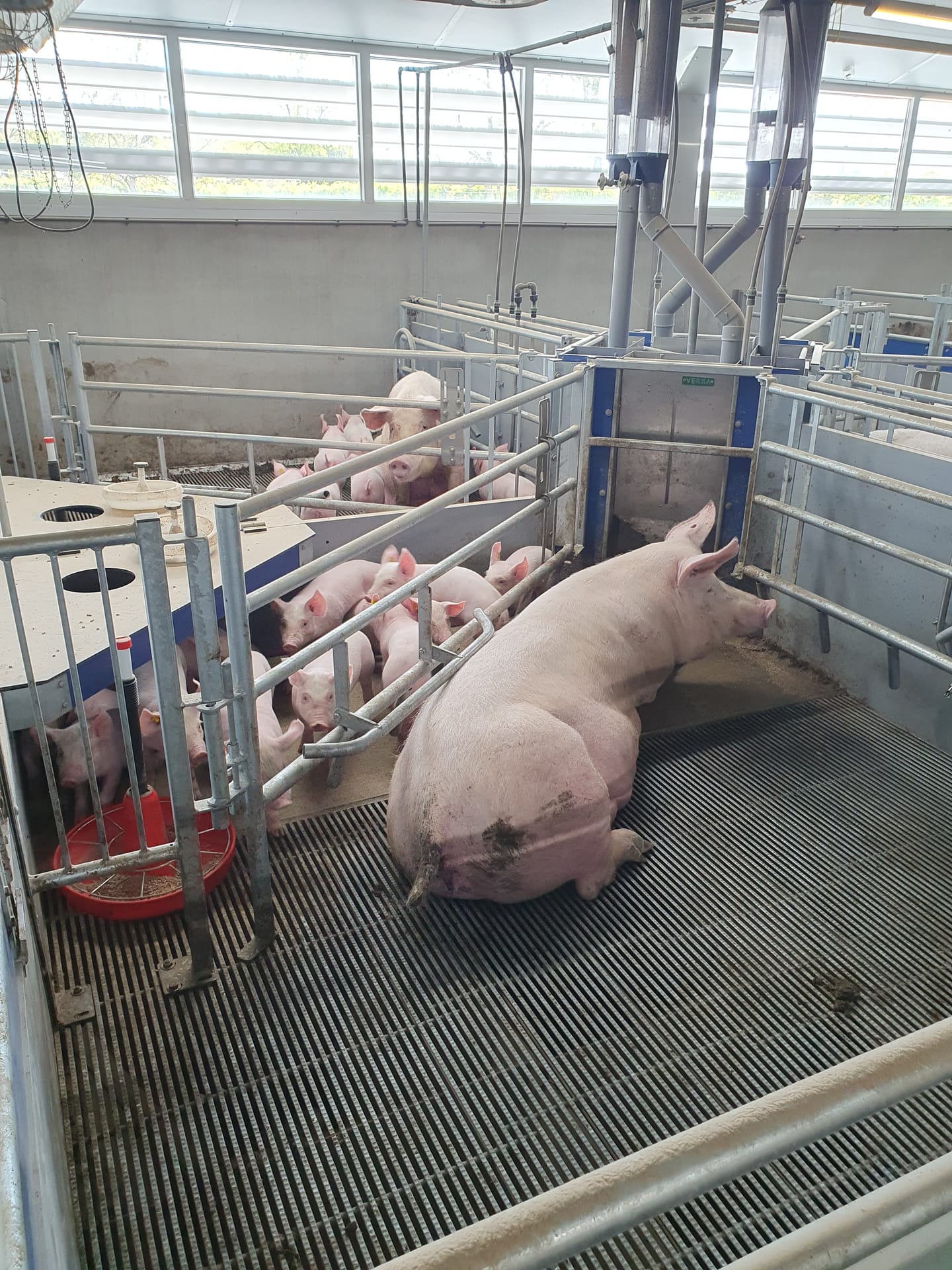
Refurbishing an existing farrowing house is different. A permit is often not required, but the farm must continue operating while the work is carried out. A room is only empty between farrowing cycles. Installation is therefore scheduled room by room, and the full project may run over several weeks or months. Agree with the manufacturer that all components are ready for each room, so downtime is kept to a minimum.
Do not overlook the link between pen size and your application either. If you change the pen size after submitting the permit application, the drawings may need to be assessed again. Finalise the dimensions first, then submit the application. Read our article on turning requirements into one integrated barn plan to see how these decisions fit together.
What Should You Arrange in the First Weeks After EuroTier?
The weeks after the trade show determine whether you make the construction season. This checklist will help you turn what you saw at the show into a workable plan.
- Measure your existing rooms: Length, width, pit depth and the location of slurry channels determine which pen size and layout are feasible.
- Choose your benchmark size: Decide whether you are designing to the legal minimum or to 7,5 m², as this sets the number of places per room.
- Have the pen drawn into your barn: A tailored drawing reveals what will need to change to the slatted floor, aisle and connections.
- Ask the municipality for an early consultation: This will quickly clarify whether you fall under the standard or extended procedure.
- Check grant conditions before signing: With schemes such as Sbv, placing an order too early can cost you the grant.
- Reserve a manufacturing slot with a condition attached: This gives you room in the schedule without tying you in if the permit is delayed.
- Coordinate installation with your farrowing cycles: Plan when each room will be empty and for how long.
- Include the feeder, drinker and slatted floor in one design: Every additional supplier creates more coordination and potential waiting time.
Still planning to visit the show? First read what to look for before visiting a stand. At the very least, bring your barn measurements with you.
Which Mistakes Add Unnecessary Delays?
Most delays happen before manufacturing begins, not after. One common mistake is making a decision based on the trade show pen without checking your own barn measurements. Only when the pen is drawn into the room does it become clear that the aisle is too narrow or that one pen has to be removed from each room. The design goes back to the drawing board, costing you weeks.
The second mistake is investing before the permit and grant have been approved. If you place an order under the Sbv before receiving the permit, you put the grant at risk. It is a financial risk that will not appear in any delivery schedule.
Third, there is fragmented purchasing. Ordering the farrowing pen, slatted floor, feeder, drinker and feed line from different suppliers may seem flexible. In practice, it means more discussions about connection dimensions, and one late delivery can hold up the entire room. A custom barn fit-out based on one integrated design reduces that risk.
Finally, installation is often planned without considering farrowing cycles. A room left empty for an extra week costs production. Plan the installation around your own farm schedule, not just the installer’s availability. That keeps the free farrowing pen lead time after the trade show predictable, even if one stage takes longer than expected.
Frequently Asked Questions
Can I order a free farrowing pen directly at EuroTier?
You can place an order at the trade show, but it will usually be an expression of intent rather than a final order. The configuration must first be drawn into your room, after which the dimensions and price can be confirmed. A trade show agreement mainly gives you an earlier opportunity to start the design discussion.
Do I need an environmental permit for free farrowing pens in an existing barn?
Whether a permit is required depends on what changes to the building, the number of animals and your municipality’s environmental plan. Replacing equipment within an existing barn is often assessed differently from extending the building footprint. Ask your municipality or adviser to assess your specific project.
How long will a farrowing room be empty during refurbishment?
Downtime per room can range from a few days to a few weeks in practice. It depends on whether only the pen equipment is being replaced, or the slatted floor and pit as well. If all components are ready before work starts, this period can be kept as short as possible.
What happens if the permit takes longer than expected?
A delayed permit pushes back manufacturing and installation. Agree in advance that production will only begin once the permit is in place, and establish how a manufacturing slot can be moved. This prevents pens from being ready before you are allowed to build.
Should I already design for 7,5 square metres?
The 7,5 m² standard applies from 2035 to participants in the Beter Leven quality mark, according to Nieuwe Oogst (2024). If you supply under that label or are considering it, designing to that size now can prevent a second refurbishment. Check the requirements with your buyer before finalising the pen size.
Finalise Your Pen Size and Barn Design This Winter
The lead time for a free farrowing pen after the trade show is largely determined by how quickly you finalise the pen size and have a detailed barn layout drawn. Once those two items are on paper, you can plan permits, grants and installation realistically.
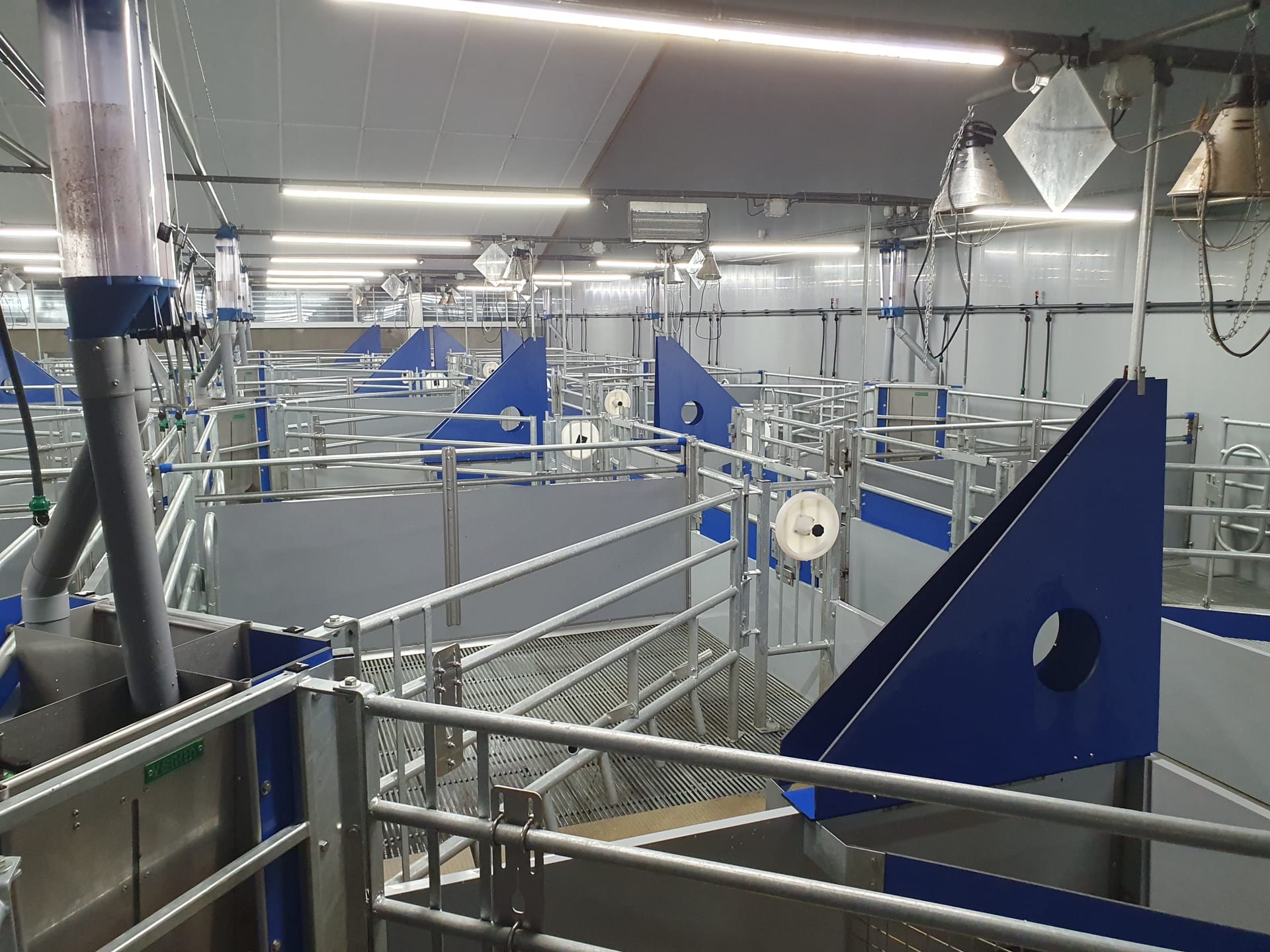
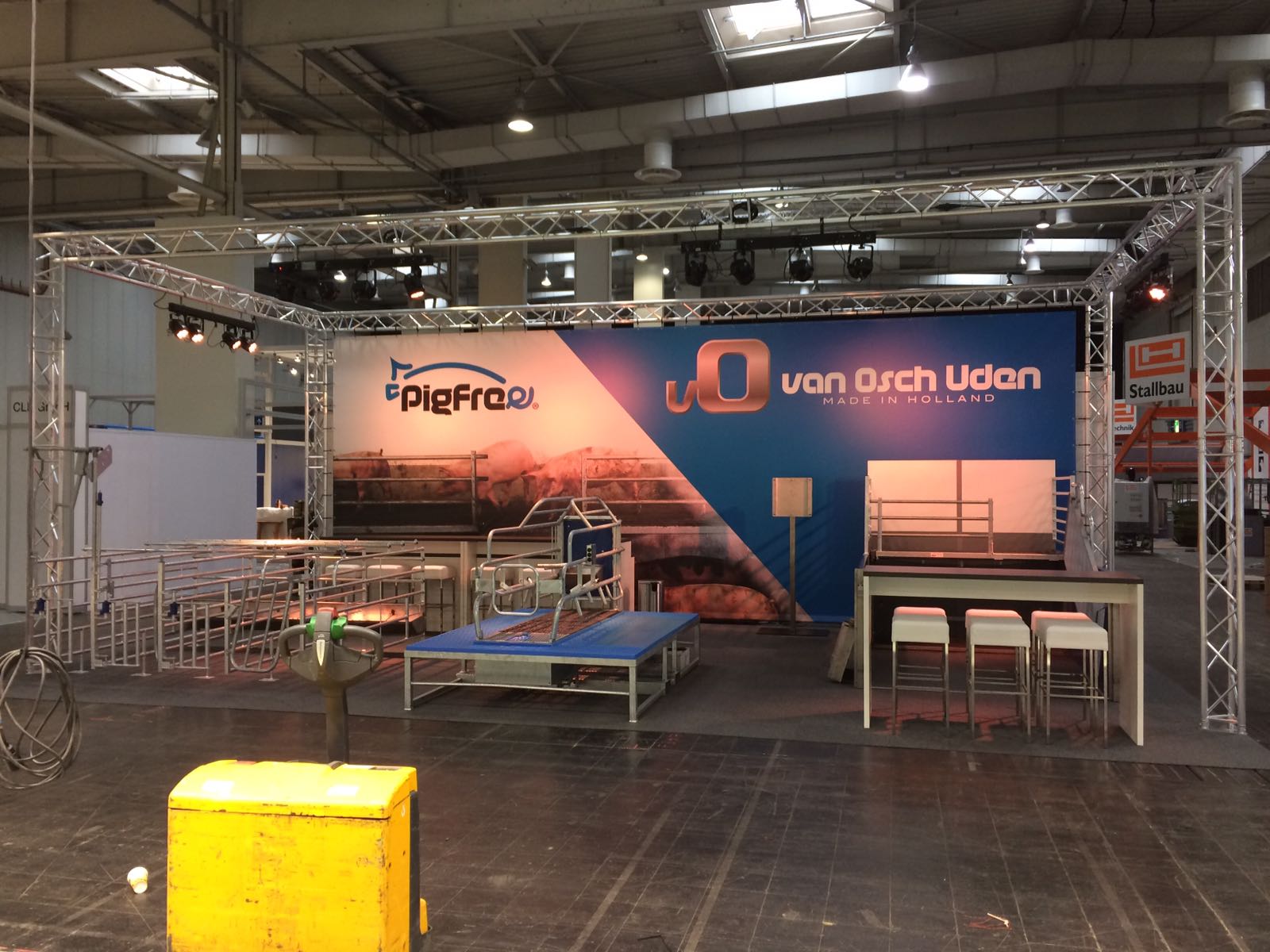
Van Osch designs, manufactures and supplies custom free farrowing pens from its own production facility in Uden, for both new builds and refurbishments. You can find Van Osch at EuroTier in hall 14/15, stand 15J26. Bring your barn measurements, or ask for advice on the right farrowing house for your farm and have your project drawn before the construction season begins.
Sources
- Nieuwe Oogst (2024) — Nieuwe Oogst
- per 2028 huisvesting voor kraamzeugen gerealiseerd zijn waarin de zeug zich vrij kan bewegen — Varkensbedrijf
- wordt het vrijloopkraamhok vanaf 2030 verplicht bij nieuwbouw — Nieuweoogst
- beslist de gemeente binnen acht weken, met eenmaal maximaal zes weken verlenging — Lawandmore
- Sbv-regeling van RVO — Rvo
- inventarisatie voor de Tweede Kamer — Tweedekamer
- Nota wet wijziging dierwaardige veehouderij in Tweede Kamer: gevolgen varkenshouderij — Varkensbedrijf.nl
- Convenant dierwaardige veehouderij basis onder haalbare maatregelen — Nieuwe Oogst