


If you are searching for metalworking jobs near Uden, you are entering a market where skilled workers remain hard to find, even though the pressure has eased somewhat. According to UWV (2026), North East Brabant has more than three job vacancies for every immediately available jobseeker. Welders, sheet metal workers and metal fabricators remain among the occupations in shortest supply nationwide. The key is to decide what kind of work you want first, whether that is production runs, machine building or bespoke work such as livestock housing. Then look at how a company trains staff and invests in machinery. Only after that should you focus on the hourly rate.
How do you choose between the many metalworking companies near Uden?
Most job adverts sound alike: good pay, a friendly team and modern machinery. But the day to day work can vary enormously from one company to the next. North Brabant is one of the Netherlands’ industrial heartlands. According to UWV, almost a quarter of all jobs in Dutch industry are based in this province, with machine building and metal products particularly well represented.
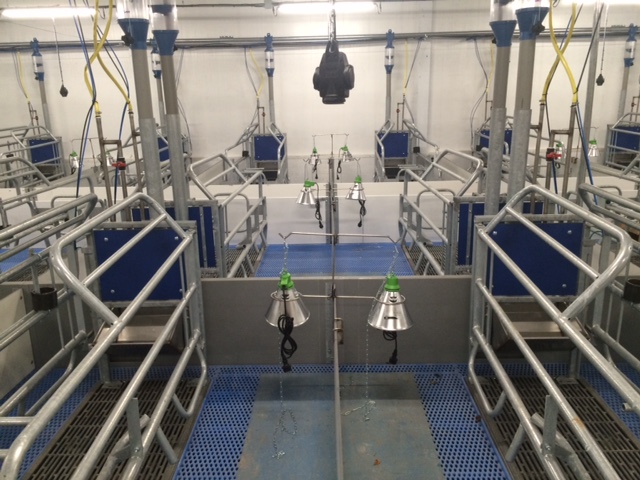
That breadth of choice is an advantage, but it can also make choosing harder. At a supplier producing high volumes, you may weld the same part for weeks at a time. At a machine builder, you could be working on complex one off installations. In pig housing, you make pen partitions, frames and troughs that vary from farm to farm, often in stainless steel.
This is the choice many jobseekers underestimate. In a tight labour market, the danger is not failing to find work. It is taking a job where, two years later, you can do no more than you could on day one. Your value in the job market grows through what you learn, not through your first payslip. When speaking to any employer, ask: what products will I make here, how large are the production runs, and who will help me develop my next set of skills?
How tight is the job market for welders and sheet metal workers in 2026?
“There are only so many people you can meet and talk to in one day.”
Bas van den Heuvel
The market is still tight, though less extreme than it was a few years ago. In the second quarter of 2023, North East Brabant had more than five vacancies for every jobseeker. According to UWV (2026), that figure is around a third lower in 2026. At the same time, the number of unemployment benefit claims in the region rose from more than 5.000 in early 2023 to more than 7.000 in the second quarter of 2026.
The picture for technical roles remains different from the overall average. UWV’s 2025 forecast, Development of labour shortages by occupation, classifies welders and sheet metal workers as being in very short supply, with a slightly less tight market expected towards 2030. Metal fabricators and structural metalworkers receive the same classification.
National figures support this. According to the ROVC TechBarometer (2025), 67% of technical companies report a shortage of technicians, both in numbers and in skills. The Platform Talent voor Technologie recorded 1.930.000 people working in a technical or ICT occupation in 2025 and identifies welders and metalworkers among the roles facing a serious, persistent shortage.
What does this mean for you? Employers can be a little more selective than they were in 2023. Motivated entry level candidates and career changers are still welcome, but you will stand out more if you can show that you are keen to learn and work accurately.
Which trends are changing metalworking jobs?
Trend 1: Welding robots and tube lasers alongside skilled craftspeople
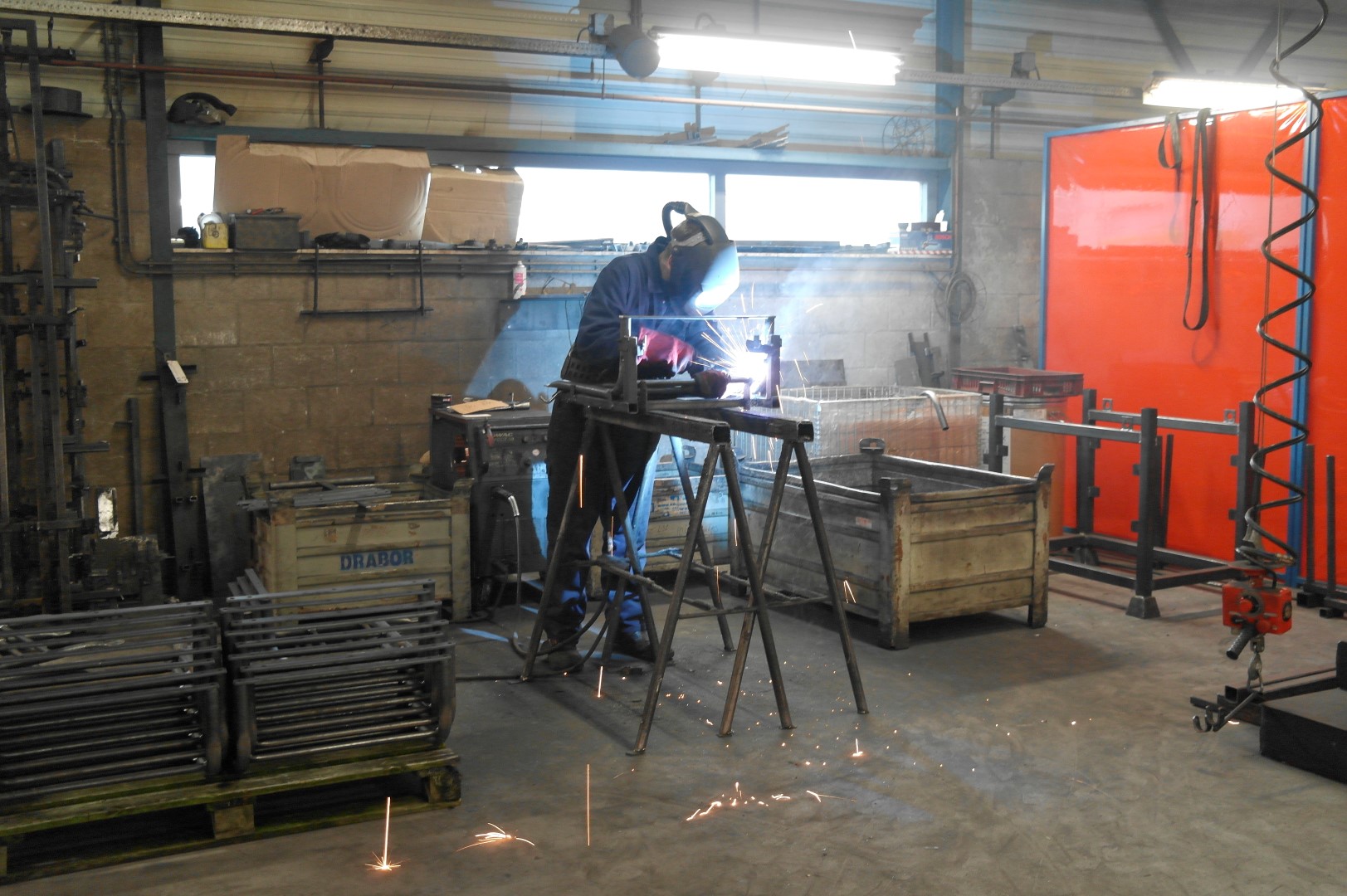
More mid sized metalworking companies are using welding robots, CNC press brakes and tube lasers. This does not replace the welder, but it does change the role. Anyone setting up a robot needs to know what a quality weld looks like and why a seam can distort. This look inside a production facility, from laser to welding robot shows how manual and robotic work exist side by side in practice.
Trend 2: Bespoke work in small batches
In livestock housing, almost every barn is different. Legal requirements also help determine the dimensions. According to the Netherlands Enterprise Agency, floors that are partly slatted must be at least 40% solid. Requirements like these make their way from the drawings to your workbench. Being able to read technical drawings and measure accurately therefore matters more than speed alone.
Trend 3: More stainless steel and deeper materials knowledge
Livestock housing must withstand manure, water and cleaning chemicals for years. Welding stainless steel requires a clean working method, the right shielding gases and careful attention to discolouration. Anyone with these skills can work in a wider range of roles than someone who only welds mild steel.
Trend 4: Training within the company
Companies are no longer waiting for fully trained specialists to come along. In the region, Stichting VAKTIEF brings together around one hundred metalworking and mechatronics companies in North East Brabant, offering work based training routes with Koning Willem I College. Nationally, Koninklijke Metaalunie is calling on policymakers to provide more practical technical education and accessible further training.
Trend 5: Digital production planning
Work orders, drawings and schedules are increasingly managed through an ERP system and displayed on screens at the workstation. This makes the shop floor easier to organise, but it also means you need to be comfortable finding your way around digital systems.
Metalworking jobs near Uden: what do these trends mean for you?
Each trend changes what an employer will expect from you and what you can gain in return. This comparison can help you see which route best fits your situation.
| Your situation | A promising route in | What to look for in an employer |
|---|---|---|
| School leaver or secondary school qualification | Work based metalworking training at level 2 or 3 | A dedicated workplace mentor, paid training and the opportunity to experience several departments |
| Career changer from warehousing or production | Sheet metal worker or assembler with in house training | A written induction plan, starting with simple parts and progressing to more complex assemblies |
| Experienced steel welder | Stainless steel welder or robotic welding operator | Whether you can learn new welding processes and gain certification |
| Experienced craftsperson ready for the next step | Production planning, robot programming or team leadership | Whether progression genuinely happens and is supported on the shop floor |
Not sure whether sheet metalworking or welding is right for you? The main difference is the stage of the production process. This comparison of sheet metal workers and welder assemblers explains which role may better suit the way you like to work.
Automation is most helpful to people who already understand the trade. A robot needs someone who can spot mistakes, so it makes sense to start with an employer where you can first learn to weld by hand. Bespoke work and stainless steel experience will make you more versatile. In a slightly less tight job market, that is your best safeguard for the future.
How do you prepare for a job in metalworking?
Good preparation takes little time and gives you a stronger position in the interview. Work through these steps:
- Choose your direction. Decide whether you prefer cutting and bending metal, which is sheet metalworking, or joining and assembling parts, which is welding. If you are unsure, look for a company where you can see both departments.
- Map out your experience. Write down the materials, welding processes such as TIG and MIG/MAG, and machinery you have used. If you have a NEN-EN-ISO 9606 welding certificate, take it with you.
- Ask for a work trial day. Half a day on the shop floor tells you more than any job advert. Look at how tidy the workshop is, the condition of the machinery and how colleagues treat one another.
- Ask about training. Find out who will mentor you, how long the usual induction takes and whether the company pays for courses.
- Consider work based training if you do not yet have a qualification. You typically work four days and attend college one day a week. An apprentice metalworker position shows what this route can look like in livestock housing.
If you have these five points written down, you can ask focused questions in an interview. Employers looking for people who want to grow will notice that.
Frequently asked questions
Do you need a qualification to start working in metalworking?
A qualification is not always required to get started. Many metalworking companies hire motivated career changers and train them in house or through a work based training route. Employers often do require a welding certificate for more demanding welding work, but you can usually earn this while employed.
What is the difference between work based training and full time college in metalworking?
Work based training means you are employed by an approved training company and usually attend college one day a week while earning a salary. With full time college, you spend most of your time studying and complete a work placement. If you want to earn quickly while learning the trade on the job, work based training is usually the more practical choice.
Which collective labour agreement applies to metalworking jobs?
The Metal and Engineering collective labour agreement applies to many small and medium sized metalworking companies. It covers pay scales, allowances and holiday rules, among other terms. Ask which collective labour agreement applies when you interview, as larger industrial companies sometimes have their own arrangements.
Is working in livestock housing different from working for other metalworking companies?
Livestock housing involves bespoke work for pig farms, often using stainless steel and galvanised steel. You make products that must perform for years in a damp barn environment, so precise, clean welding is essential. You can also see where your work ends up: in a working barn.
Can you move from production into an office based role?
Progression into production planning, engineering or scheduling is very possible in metalworking, especially at smaller companies. Your shop floor knowledge is especially valuable because you understand what can realistically be made. Ask during the interview whether colleagues have made that move before.
A higher hourly rate now, or more skills for the future?
In a market where welders and sheet metal workers remain in demand, you have a choice. Choose the company where you will learn the most, because that will shape your opportunities in metalworking near Uden five or ten years from now.
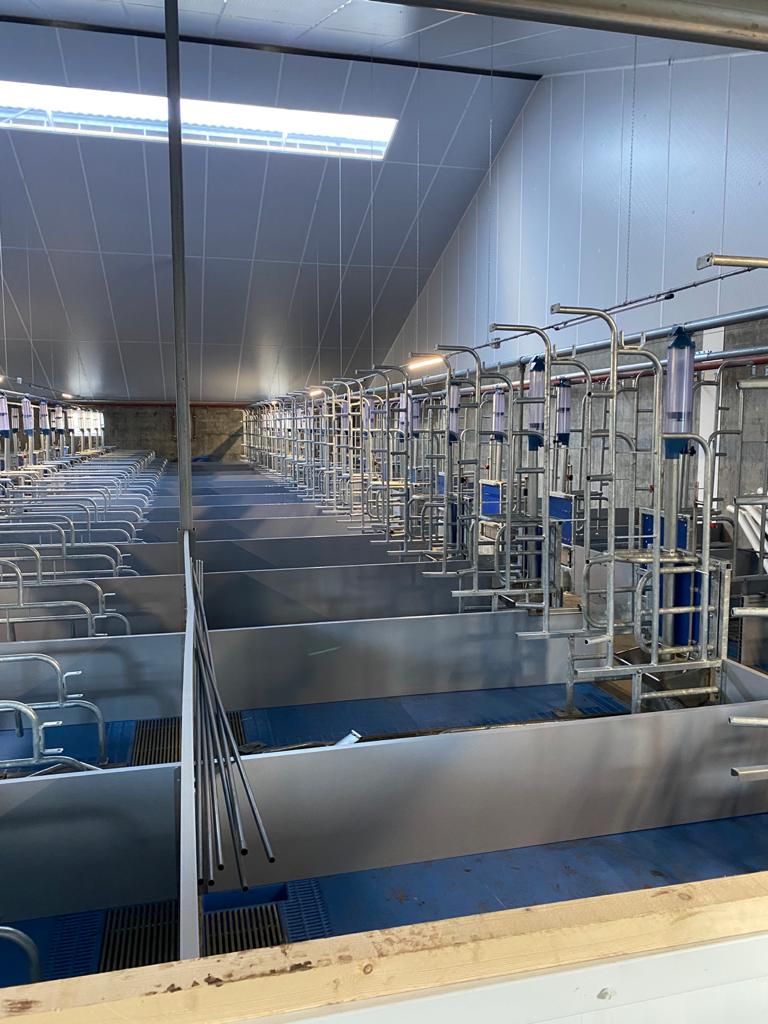
Van Osch has been manufacturing livestock housing for pig farms in Uden since 1939. Its own production facility brings together welding robots, tube laser technology, sheet metalworking and tube processing under one roof. In roles such as welder assembler, sheet metal worker and apprentice metalworker, you can learn the trade alongside experienced colleagues. Want to find out whether this could be the right place for you? Join Van Osch and view the current vacancies.
Sources
- UWV (2026) — Uwv
- TechBarometer van ROVC (2025) — Digitaalpubliceren
- Platform Talent voor Technologie — Ptvt
- RVO — Rvo
- Stichting VAKTIEF — Vaktief
- Koninklijke Metaalunie — Vraagenaanbod
- Arbeidsmarkt in Noordoost-Brabant iets minder gespannen — UWV
- Personeelstekort blijft probleem voor Brabantse industrie — UWV