


Anyone searching for a warehouse job in Uden may come across two common roles in metal manufacturing: sheet metal worker and welder fabricator. The difference is where each role fits in the production process. A sheet metal worker turns flat sheet metal and tube into accurately sized individual parts, while a welder fabricator builds those parts into one strong finished product using a technical drawing. If you are moving from a warehouse role, sheet metal work will often feel most familiar. It relies on accuracy, working through orders in the right sequence and operating machinery. Welding requires more hands on technical skill and training, but it can also lead to a recognised qualification you can take with you throughout your career.
Looking for a Warehouse Job in Uden, but Found Sheet Metal and Welding Roles Instead?
It happens more often than you might think. Metal manufacturers have been looking for production staff for years. According to Platform Talent voor Technologie, welders and sheet metal workers are among the technical professions facing serious and ongoing staff shortages. An analysis of UWV and ROA data by HRmorgen (2026) shows that this shortage is unlikely to disappear anytime soon.
For job seekers, that has a practical upside. Employers are more willing to train people with no previous metalworking experience, as long as they can work accurately, keep up the pace and enjoy practical work. If you have worked in a warehouse, you have probably already demonstrated those qualities.
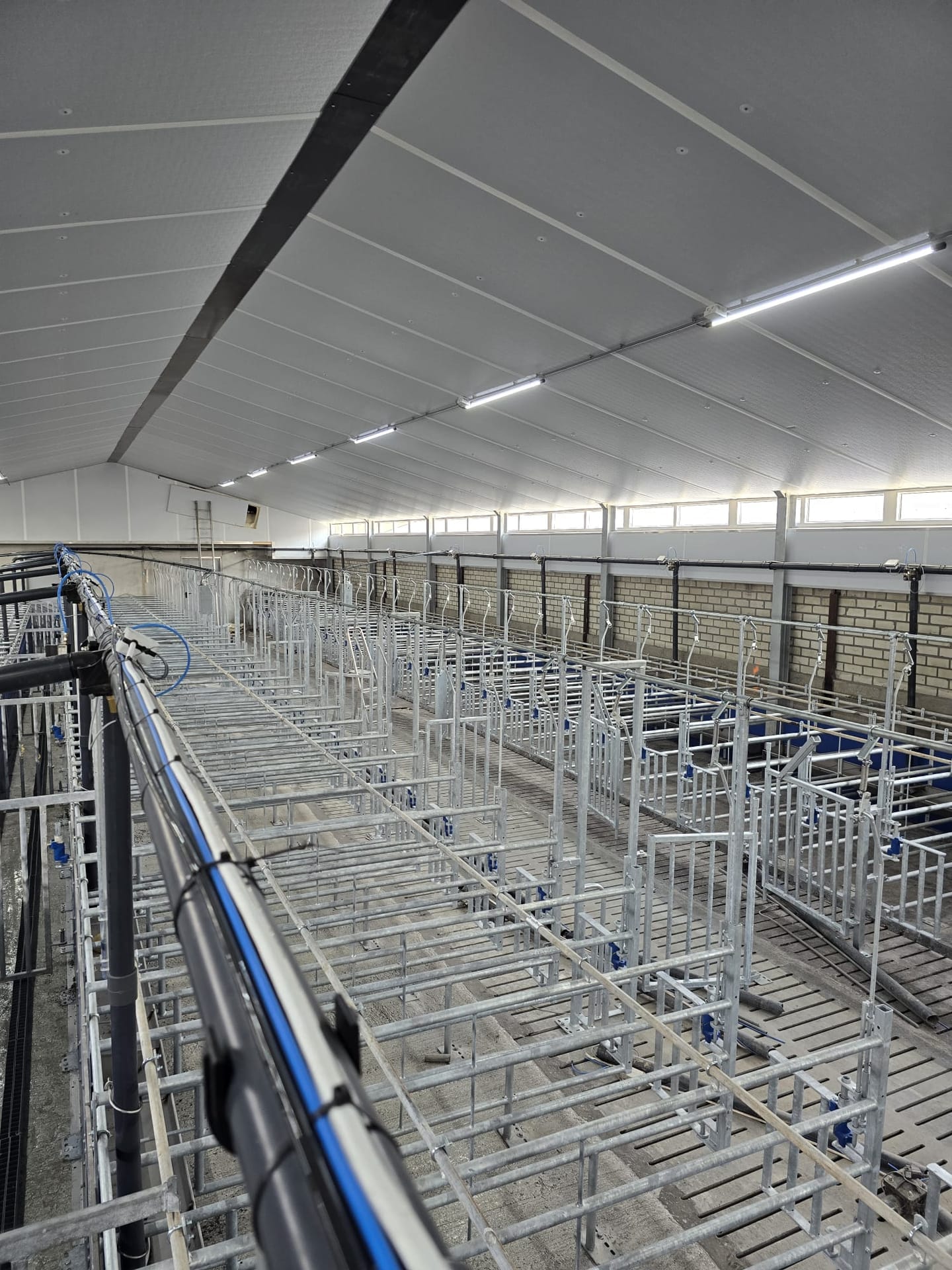
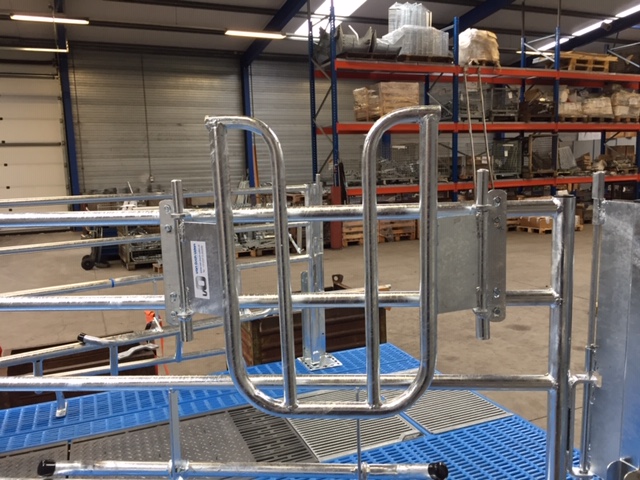
The biggest difference from warehouse work is this: instead of moving a finished product, you help make it. Take a farrowing crate for pig farming. It starts as a stack of stainless steel sheet and tube, moves through the laser cutter and press brake, then gets welded and assembled before leaving the factory as a complete pen system. Sheet metal workers and welder fabricators work at different points in that process. The right place for you depends on the kind of work you find rewarding.
What Exactly Does a Sheet Metal Worker or Welder Fabricator Do?
“In a single day, you get to meet and talk to so many people.”
Bas van den Heuvel
The simple definition from MAKE Center is this: a sheet metal worker bends, cuts and shapes materials such as steel, aluminium and stainless steel into individual components. A welder then joins those components by heating and fusing them together.
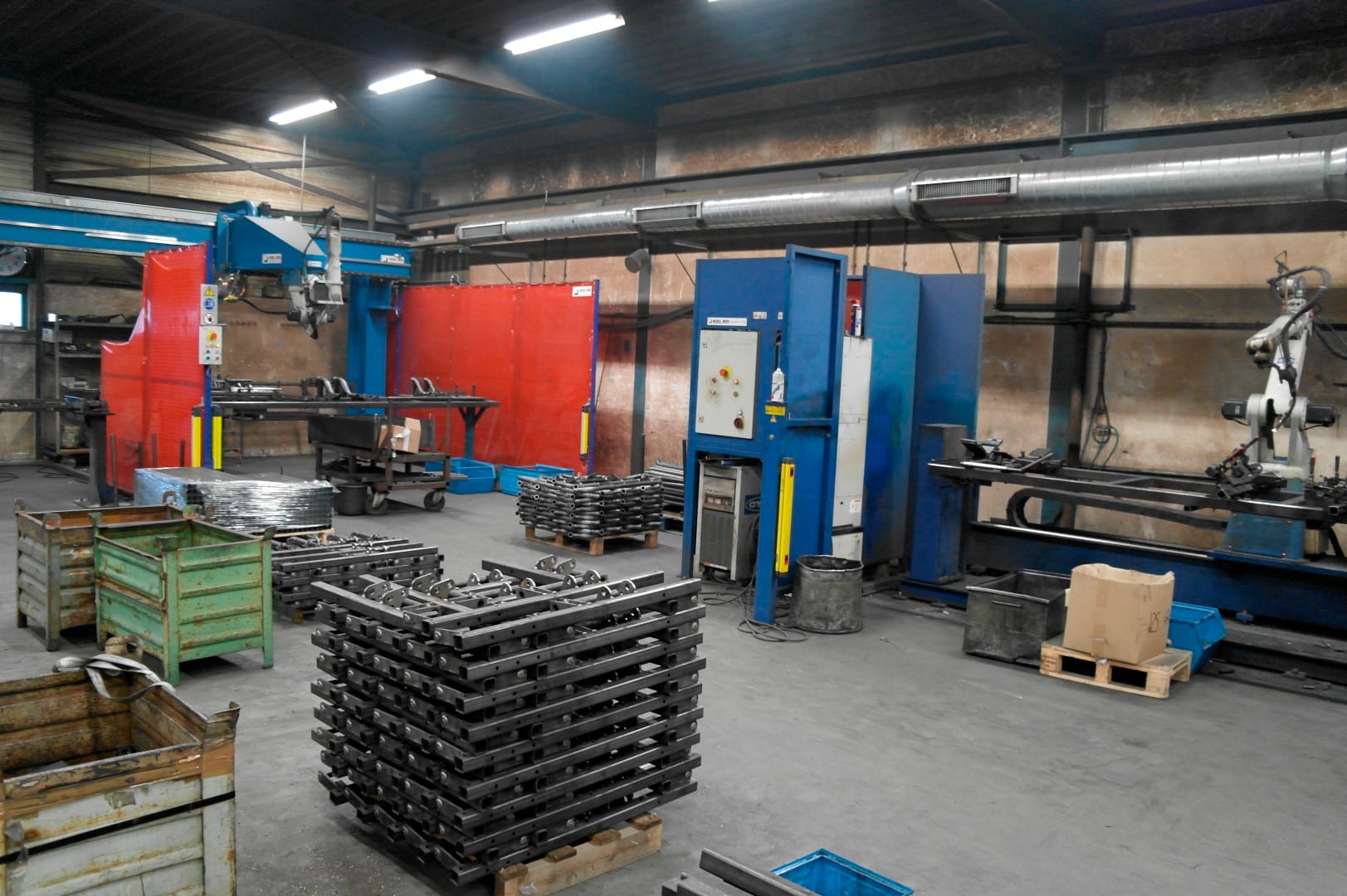
At a factory producing livestock housing systems, this is what that looks like in practice. The sheet metal worker runs the laser cutter, bends sheet parts to the correct angle on the press brake, removes sharp edges and sorts everything by order. That could include side panels for pen walls, supports for feed troughs or brackets for a drinking bowl. The sheet metal worker vacancy shows the specific machines and tasks involved.
A welder fabricator has a dual role. According to a job description on Spielwork, they weld parts to the required quality standard and assemble them from technical drawings, often in consultation with a supervisor. In livestock housing, that means frames, pen walls and farrowing crates, usually in stainless steel or steel and sometimes alongside a welding robot. The welder fabricator vacancy gives a clearer picture of the role.
| Sheet Metal Worker | Welder Fabricator | |
|---|---|---|
| Core of the role | Cutting, bending and preparing individual parts | Fitting, tack welding and fully welding parts into one finished structure |
| Machinery | Laser cutter, press brake, saw, deburring machine | Welding equipment (TIG or MIG/MAG), jigs and sometimes a welding robot |
| What you work from | Work order and drawing with dimensions and angles | Technical drawing of the complete finished product |
| What happens when something goes wrong | A part will not fit later in the process | A frame is out of square or a weld does not hold |
| Moving from warehouse work | Often possible straight away with in house training | Usually after welding training or an apprenticeship route |
What many people do not realise is that the sheet metal worker plays a major role in whether the welder can do their job properly. If a bend line is a few millimetres off, the frame will not fit together during assembly. Sheet metal work is not a supporting role. It is the foundation of the whole production process. To see how these stages connect, read the article on the production of steel and stainless steel livestock housing.
How Do You Move from Warehouse Work into Production?
Moving from the warehouse floor to the production floor usually happens in five stages. The timeline varies by employer and individual.
- Explore your options. Read both job descriptions and think about what appeals to you most: operating machinery and completing production runs, or building one product from start to finish. A good employer will explain which machines and materials you will be working with.
- Apply and meet the team. Send your CV and include your warehouse experience. Mention forklift certificates, order picking speed and accurate picking, as these show that you can work carefully while maintaining pace. The employer will invite you for an interview, often followed by a factory tour.
- Job shadowing or a trial shift. Many manufacturers invite candidates to spend a day or half day on the shop floor. You get to see the real work, while they see how you handle drawings and tools.
- Onboarding. Employers will usually pair you with an experienced colleague. As a sheet metal worker, you will often start by learning the press brake and reading work orders. As a welder fabricator, you may begin with tack welding and simple frames.
- Gain qualifications and progress. For certified welding work, you need an individual qualification under NEN-EN-ISO 9606. This standard sets requirements for the test piece, welding position, material, thickness and welding process. Sheet metal workers are more likely to progress into programming laser cutters and press brakes themselves.
If you would prefer to learn the trade while earning a qualification, a work based learning route as a trainee metalworker can be a good alternative. You spend most of the week working and attend college alongside it. To see how a complete product moves through the factory, take a look at the seven production steps behind a custom farrowing crate.
Which Role Matches Your Warehouse Background?
Not every warehouse worker is suited to the same role. Be honest about what you enjoy most in your current job. These four profiles often come up among people looking for warehouse jobs in Uden who end up considering metal manufacturing.
- The order picker who enjoys pace and organisation. You like working through a list and knowing everything is correct. Sheet metal work could be a strong fit. You complete orders, prepare parts in the right sequence and watch your completed stack grow.
- The warehouse worker with a practical technical hobby. Do you work on mopeds or cars at home and enjoy building something from scratch? Welder fabricator could be the more natural choice. At the end of the day, you can see a complete frame that you made yourself.
- The production worker from a line or packing environment. You already understand shift patterns, safety rules and operating machinery. Sheet metal work is a logical first move, with opportunities later to progress into programming or welding.
- The career changer or school leaver with no metalworking experience. Not sure which role suits you? A metalworking training programme gives you the basics of both, allowing you to choose a direction later.
There are also times when these roles may be a less suitable fit. If you get your satisfaction from planning, inventory management and coordinating transport, you may miss those responsibilities on the production floor. Likewise, if you find it difficult to stand for long periods, wear protective clothing or focus closely on precise work, a warehouse position may suit you better. That is not a weakness. It is simply about finding the right match.
What Should You Ask Before Applying for a Sheet Metal or Welding Role?
A job advert never tells you everything. Ask these questions at interview to find out more quickly whether the role genuinely suits you.
- Which machines will I operate in the first few months? A sheet metal worker who only uses a saw has a very different role from someone operating a laser cutter and press brake. Ask about the tube laser, the press brake and whether you will set up programmes yourself.
- Which materials will I work with: stainless steel, steel or galvanised steel? Stainless steel requires a clean way of working and often TIG welding. Learn more about the differences in the article on stainless steel, galvanised steel, plastic or cast iron for each component.
- Who will support me during onboarding, and for how long? Having one experienced colleague as your main point of contact can make the move from warehouse work much less daunting.
- Will the employer pay for my welding training and qualification? For a welder fabricator without formal qualifications, an ISO 9606 qualification can make a real difference to your future prospects. Ask whether it is funded and completed during working hours.
- Will I work alongside a welding robot, and will I learn to operate it? Robotic welding requires different skills from manual welding. It can be a valuable progression route if you want to develop further.
- Where do the technical drawings come from? At a company with its own engineering department, you can take questions straight to the designer. That helps prevent mistakes and avoids unnecessary delays.
In structural steelwork, CE marking under NEN-EN 1090 has been mandatory for components of load bearing steel structures since 1 July 2014, according to DNV. Whether this applies to your role depends on what the company produces. It is worth asking, as it says a lot about how seriously an employer takes welding quality and certification.
Frequently Asked Questions
Do you need experience to become a sheet metal worker?
Experience is not usually a strict requirement. Metal manufacturers mainly look for accuracy, technical awareness and a willingness to learn. Warehouse experience in order picking or forklift driving can show that you are capable of working carefully and efficiently.
Can you move from sheet metal work to becoming a welder fabricator later on?
Progression within production is common. As a sheet metal worker, you learn to read drawings and understand how parts fit together. That is exactly the foundation you need for fabrication. Add welding training and the move into a welder fabricator role is often very achievable.
Is welding stainless steel harder than welding steel?
Stainless steel generally requires greater precision because it is sensitive to contamination and discolouration when exposed to too much heat. You will often use TIG, which is slower and more precise than MIG/MAG. It can feel slower for beginners at first, but it produces clean, high quality welds.
Will a welding robot replace welders?
A welding robot mainly takes care of repetitive welds in larger production runs. Someone still needs to set up the robot, place parts in the jig, inspect the results and complete custom work by hand. In practice, the role changes rather than disappears. Learning to operate the robot can make you even more valuable.
Is production work more physically demanding than warehouse work?
Physically, it is often similar. You will spend a lot of time standing and may need to lift parts from time to time. The difference is the level of concentration, because production work is measured in millimetres rather than quantities. Many people enjoy that precision because they can see a tangible result at the end of the day.
Where Should You Start If You Want to Move from a Warehouse into Production?
Read both job descriptions side by side, choose based on the work that gives you the most energy and ask for a factory tour or trial shift before making your decision. If you are currently looking for a warehouse job in Uden, this is the quickest way to find out whether sheet metal work or welding is right for you.
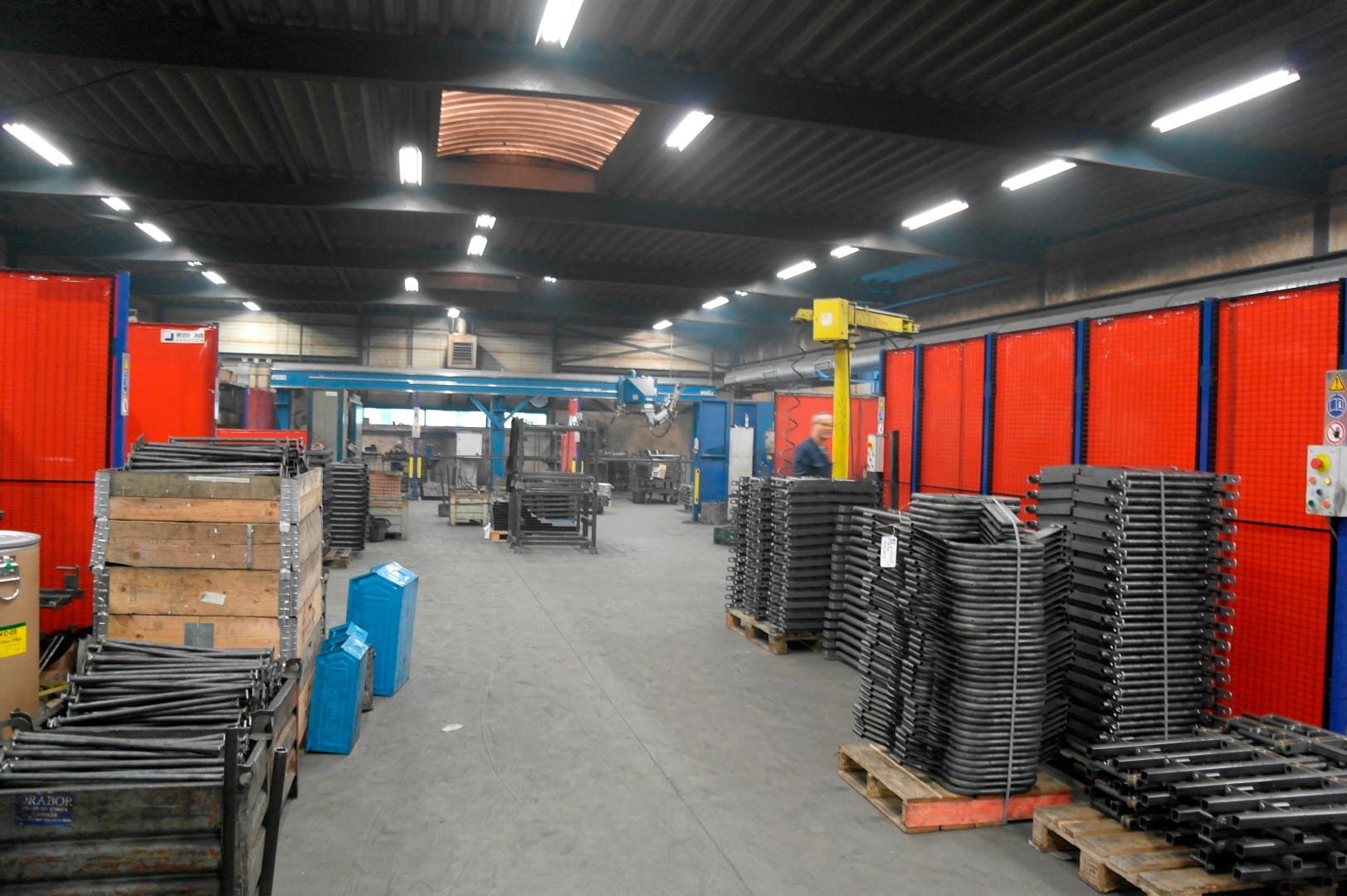
Van Osch in Uden has manufactured livestock housing systems for pig farming in its own factory since 1939. With in house engineering, an Adige tube laser, modern sheet metal and tube processing, and welding robots all under one roof, sheet metal work and welding come together in the production of farrowing crates, pen walls and feed troughs. Want to find the role that suits you? Join the team at Van Osch and view the current vacancies.
Sources
- Platform Talent voor Technologie — Ptvt
- HRmorgen — Hrmorgen
- MAKE Center — Makecenter
- Spielwork
- NEN-EN-ISO 9606 — Nen
- DNV — Dnv
- Welke technische beroepen zijn er voor mensen die graag met hun handen werken? — MAKE Center
- Lasser/Samensteller — Spielwork / GS Staalwerken