


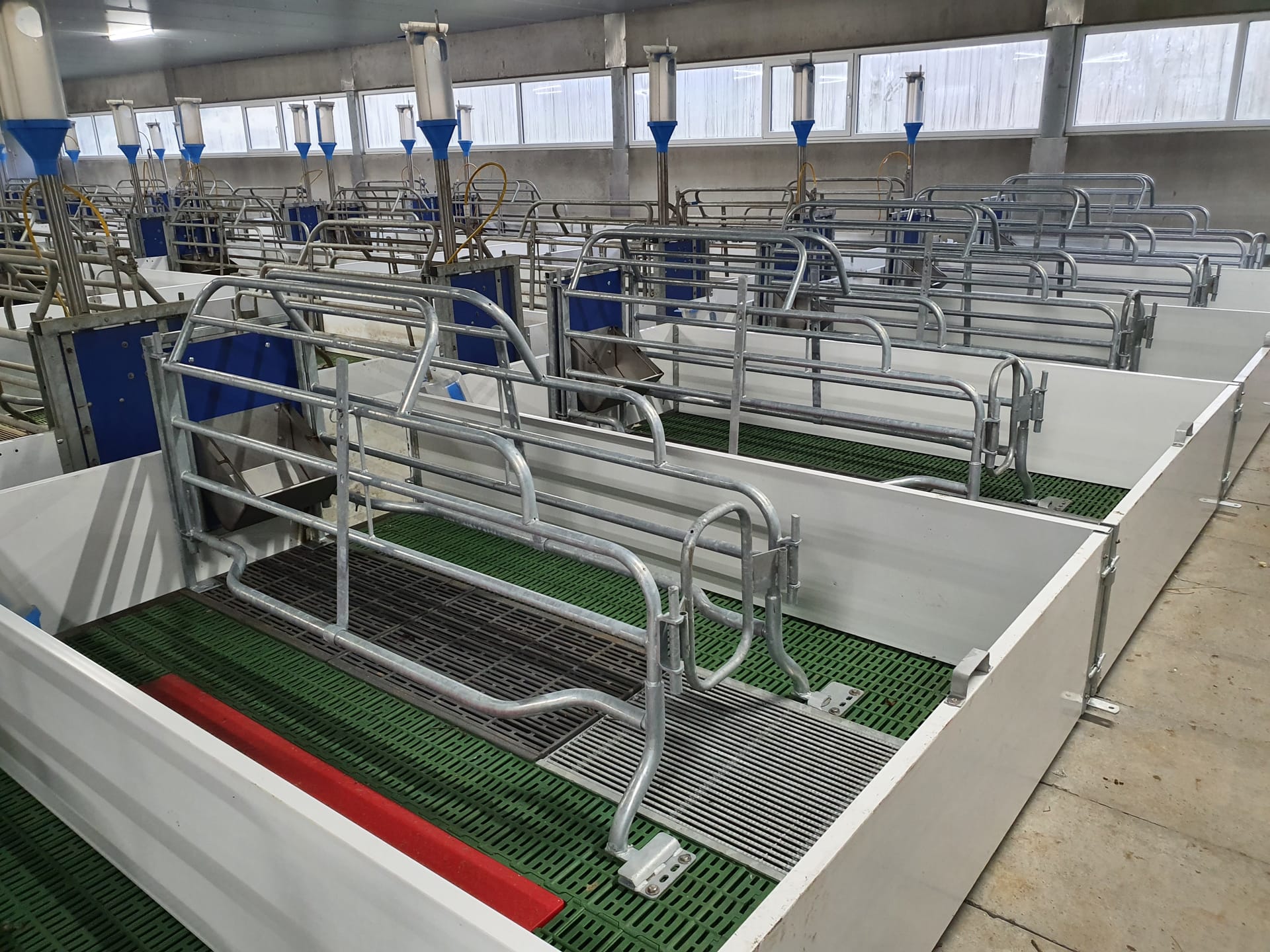
The best place to pass on metalworking skills is at the workbench. A new colleague works alongside an experienced fabricator or welder, starting with straightforward components and only taking on more complex assemblies once the basics are solid. In livestock housing equipment manufacturing, that usually means starting with frames and railings, moving on to pen panels, and eventually building complete farrowing crates. Drawings, welding procedures and final inspections provide a clear framework. The experienced colleague adds the practical know-how that never makes it onto paper: how stainless steel can distort under heat, for example, or why a weld in a particular part of a barn needs to be easy to clean. If you combine the job with work based vocational training, you can earn a qualification while learning the trade on the shop floor.
Why does practical knowledge disappear when experienced colleagues leave?
A drawing tells you what to make. It rarely tells you the best tack welding sequence to stop a frame several metres long from warping. That kind of know-how lives in the hands and minds of people who have been doing the job for years. When someone leaves without passing it on, the consequences often show up later: more rework, more parts rejected during final inspection, and components that do not fit properly when installed in the barn.
This matters even more in welding. Welding is considered a special process because the quality of a welded joint cannot be fully checked afterwards without damaging the workpiece. That is why ISO 3834 safeguards quality before production begins, including through qualified personnel and certified welding procedures, as Ferna explains. In other words, the necessary quality has to be in the craftsperson before they start the job.
There is also a common misconception that weakens many onboarding programmes. Welding techniques can be taught perfectly well at school or on a course. What you will not learn from a textbook is the reasoning behind a design. A farrowing crate will spend years in a barn exposed to manure, water and cleaning chemicals. A sow will push against the railings with her full weight. An experienced welder knows which weld is critical and which is not. That insight is the first thing to disappear if nobody asks about it.
What does skills transfer in metal fabrication look like in 2026?
The pressure to preserve skilled trades knowledge in metal fabrication is growing, and the figures bear that out. According to Consultancy.nl, based on a Crowe report (2025), more than 30,500 vacancies were open in industry by the middle of 2025. The proportion of workers aged 55 and over in metalworking and machinery manufacturing rose from 24% in 2021 to 25% in 2024, while relatively few young people are entering the sector. More experienced people are leaving than new people are joining.
That does not mean younger and older colleagues automatically learn from one another. The 2026 TechBarometer from training provider ROVC found that almost a quarter of technicians experience misunderstandings caused by generational differences at work. It also found that 40% of younger technicians underestimate how much essential practical knowledge their older colleagues hold. ROVC points to a clear solution: workplace learning and mentoring.
This is particularly relevant for people considering a role at a medium sized family business. Smaller technical companies with fewer than 250 employees are more likely to actively organise knowledge sharing, 52% compared with 37% at larger organisations, according to KlusVisie (2026), based on the same TechBarometer. Close contact between the workshop, engineering team and installation crews makes it easier to ask an experienced colleague for advice.
How does a new colleague learn from an experienced welder or fabricator?
In livestock housing equipment manufacturing, workplace learning usually develops across four stages. The pace varies by person and role. As a rule of thumb, it takes longer to train as a welder than as a machine operator, because welding demands more feel and experience.
- Watch and assist. You see how an experienced colleague reads a job, prepares materials and assembles a component. You help out, observe and ask questions.
- Do the work with a mentor beside you. You weld or form simpler components, such as frames or profiles, while your mentor watches and offers immediate guidance.
- Work independently, then have your work checked. You make complete components yourself. Your mentor or the final inspection team assesses the result and discusses what could be improved.
- Explain it to someone else. You truly understand the trade once you can explain it to the next new colleague.
Companies that do this well make mentoring an explicit responsibility. This reflects the TechBarometer recommendation to deliberately use experienced technicians as mentors and document critical know-how before people leave. In practice, that means allowing mentoring time in the production schedule. One regular mentor works far better than a different person every day.
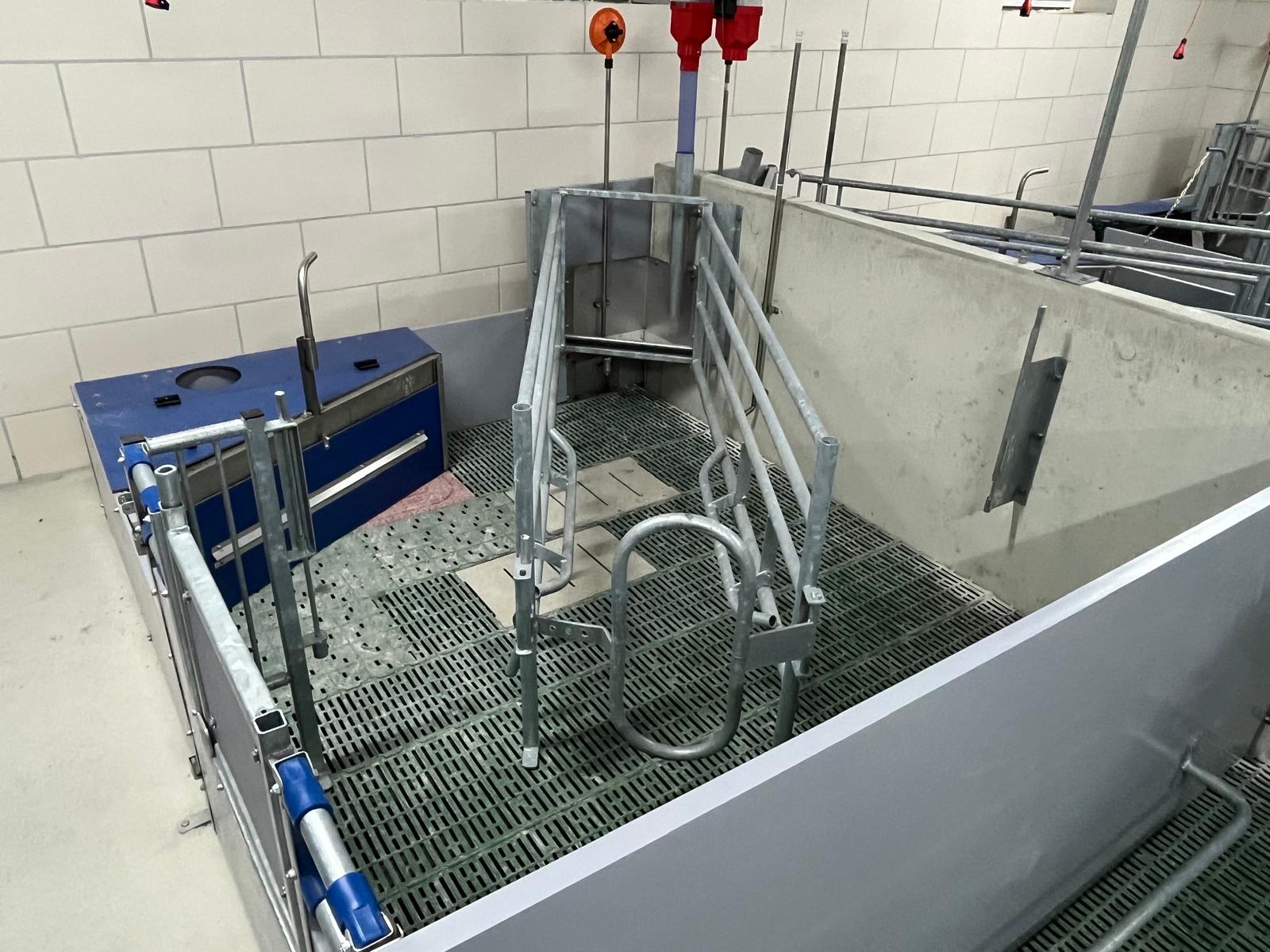
Modern machinery changes what needs to be taught, but it does not make skilled workers redundant. A welding robot or tube laser can handle repetitive work with precision. Someone still needs to judge whether a component is correctly positioned in the jig, whether a weld is right and why a programme needs adjusting. To see how each production stage fits together, read about how steel and stainless steel livestock housing equipment is produced, from engineering to final inspection.
If you are still training, an apprentice metal fabricator placement is a logical place to start. In a work based vocational programme, you usually work at a company four days a week and attend school one day a week.
What should you look for when onboarding new colleagues in livestock housing equipment manufacturing?
Whether you are about to become a mentor or are a new colleague wondering what to expect, a strong onboarding programme has a few clear features. In companies that manufacture livestock housing equipment, these practical points come up time and again.
Checklist for sharing skills in livestock housing equipment manufacturing:
- One regular mentor for each new colleague: you know exactly who to turn to, and nobody has to explain the basics three times.
- A progression from simple to complex work: start with frames and profiles, then move on to panels and doors, followed by complete farrowing crates or free access farrowing crates.
- An explanation of how the product is used in the barn: understanding how a pig farmer cleans and uses a pen makes it clear why a weld needs to be smooth and fully sealed.
- Working to documented welding procedures: procedures provide guidance and make it easier to discuss the difference between acceptable and unacceptable work.
- Feedback from final inspection and installation: if a component does not fit during installation, the person who made it should hear about it, along with an explanation.
- Time for mentoring in the schedule: a mentor expected to maintain full production output will be the first to skip the explanation.
- Documenting knowledge with notes and images: photos of a correctly assembled part or brief instructions for difficult components will help the next new colleague too.
- Making room for knowledge to flow from younger to older colleagues: younger colleagues often bring useful skills in design software, tablets or robot software.
That final point is often overlooked. The best skills transfer works both ways, especially as workshop processes become increasingly digital.
What mistakes get in the way of knowledge sharing on the shop floor?
The most common mistake is waiting until someone is close to retirement. By then, there may only be a few months left to pass on decades of experience, and that is simply not enough. Knowledge sharing needs to be ongoing, not treated as a farewell project.
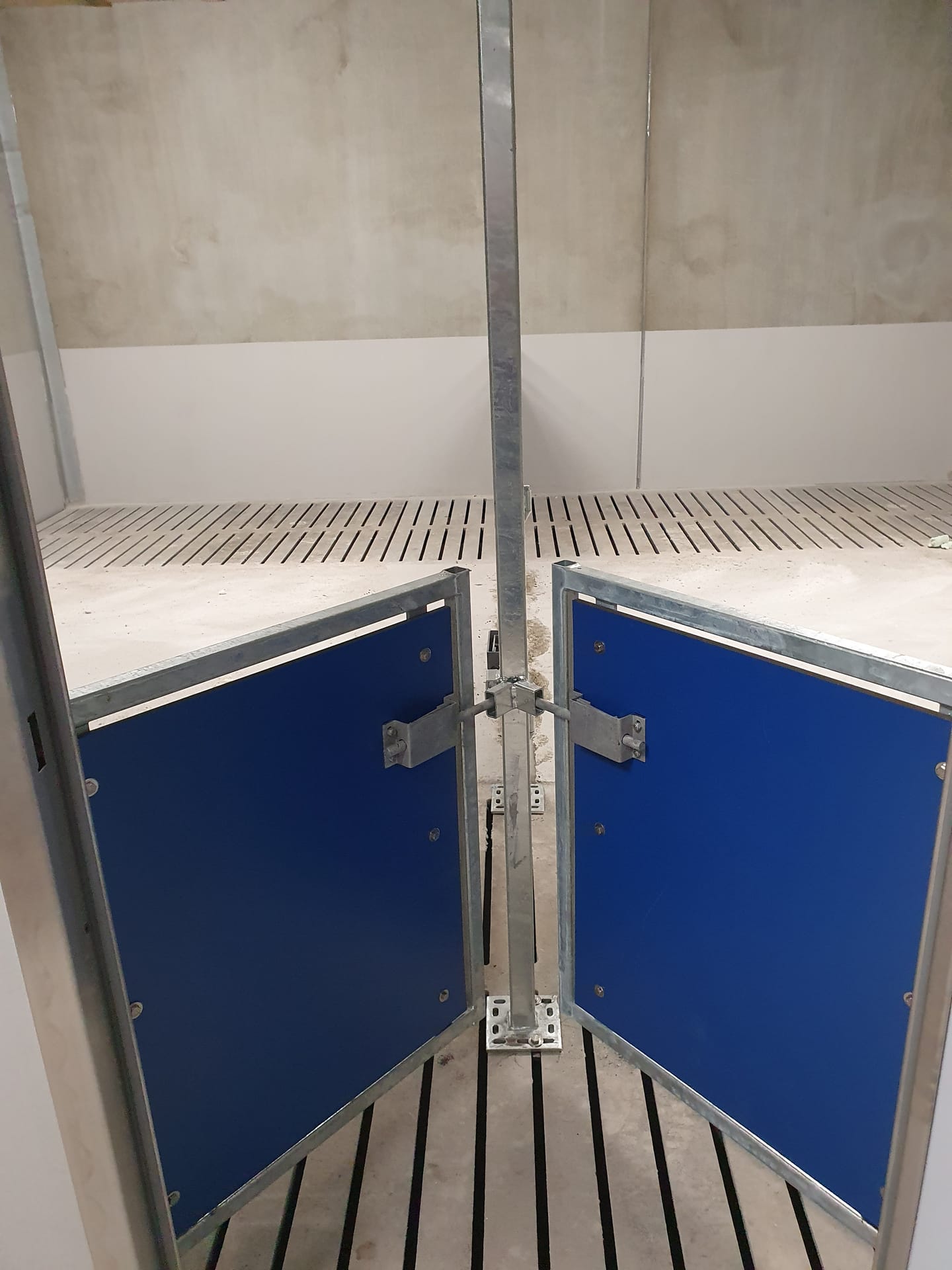
Another mistake is putting a new colleague straight onto the welding robot because extra capacity is needed. They may learn which buttons to press, but they will not learn the trade. Someone who has never welded by hand is also less likely to spot when the robot has made a mistake. In practice, it pays to give robot operators a foundation in manual welding and assembly first.
A third pitfall is explaining only the how. It is easy to say, “This is how we do it here,” but without the why, a new colleague will struggle with an unusual dimension or a custom order. And custom work is more the rule than the exception in livestock housing equipment, because every barn has different dimensions. See how a custom farrowing crate is made in seven production stages: every stage of the job is slightly different.
Finally, managers often think everything is well organised while the shop floor sees things differently. The TechBarometer found that half of managers say they actively work on knowledge sharing, while only a third of hands on technicians recognise that effort. So, during a job interview, simply ask how onboarding is organised in practice.
Frequently asked questions
Do you need experience to start work at a metal fabrication company?
Experience is not always required. As an apprentice metal fabricator, you can start without a trade qualification and learn alongside an experienced colleague. Technical aptitude, attention to detail and a willingness to work with your hands often matter more than your CV.
How long does it take to weld stainless steel independently?
Training time depends on your previous experience, the type of welding involved and how often you practise. Simpler work generally takes months to learn, while complex stainless steel assemblies can take one or several years. A welding qualification that meets the applicable welding procedure is often the point at which you can weld critical joints independently.
What is work based vocational training in metal fabrication?
Work based vocational training combines practical employment with formal study. You work most of the week at a training company and usually attend vocational college one day a week. You earn a salary while working towards a recognised qualification. The company must be an approved training employer and appoint a workplace mentor.
What is the Generatiepact Metaal en Techniek?
The Generatiepact is a Dutch scheme that enables older employees to work fewer hours while retaining part of their pay. According to the Generatiepact Metaal en Techniek, its purpose is to help them stay healthy and productive for longer while passing on their knowledge to younger colleagues. For new employees, this often means experienced craftspeople remain on the shop floor for longer.
Will you learn to work with a welding robot in livestock housing equipment manufacturing?
Robot welding is increasingly common in modern manufacturing. You will usually learn manual welding and assembly first, so you understand what the robot does and can recognise mistakes. After that, you learn how to operate the robot, position parts in the jig and assess the finished result.
Want to learn the trade alongside experienced craftspeople?
Choose an employer where mentoring is a defined responsibility, where you can progress from straightforward to complex work, and where people explain the thinking behind every assembly. That is how trade skills are passed on in practice.
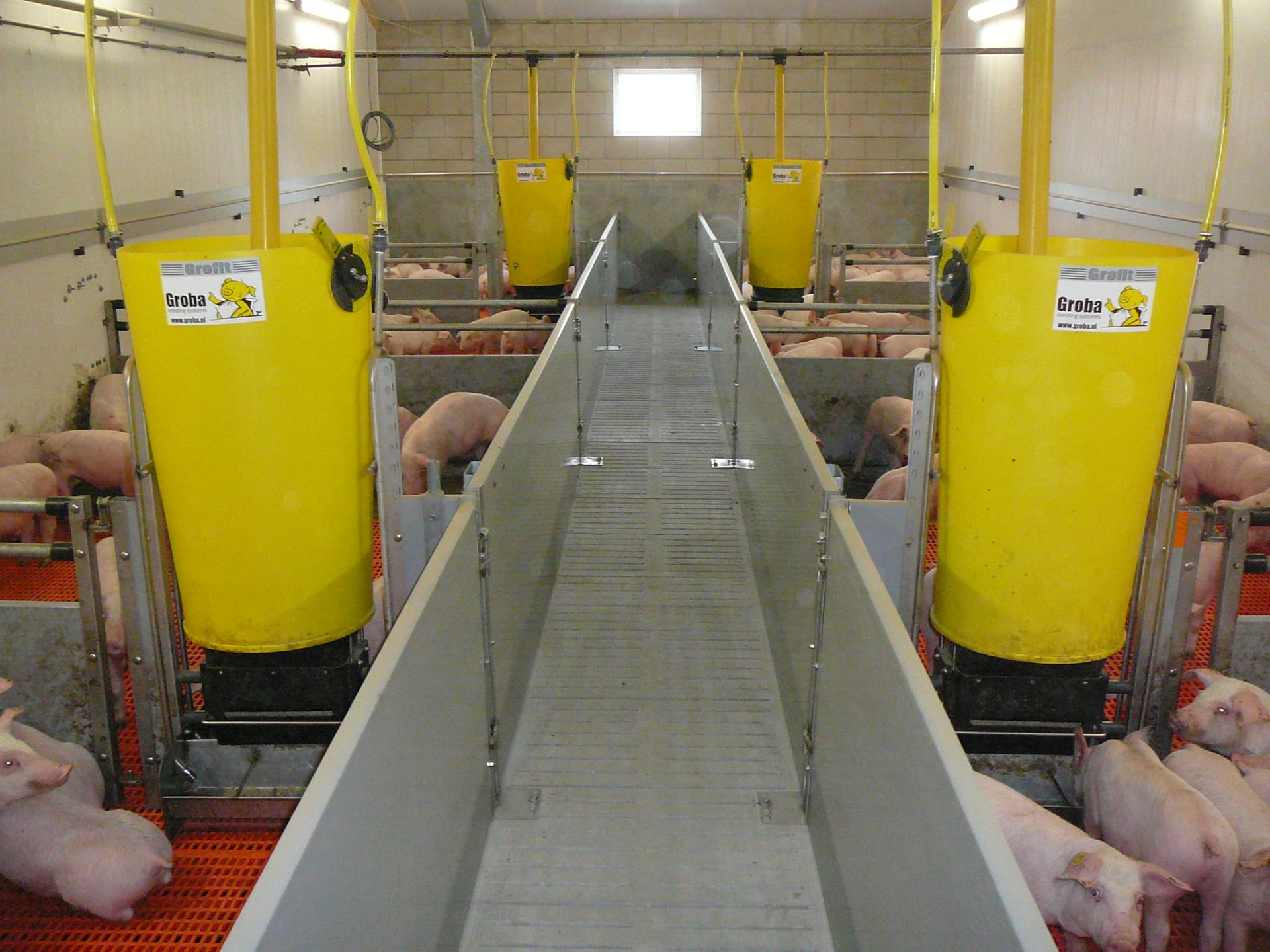
Van Osch has been a family business since 1939, designing and manufacturing livestock housing equipment in Uden with its own engineering team, skilled craftspeople, welding robots, and modern sheet metal and tube processing equipment. It is the kind of working environment where real knowledge sharing can happen: you learn from colleagues who understand how a farrowing crate needs to perform in a barn. Interested in welding, metal fabrication or starting as an apprentice? Join Van Osch and view the current vacancies.
Sources
- onder meer via gekwalificeerd personeel en gecertificeerde lasvoorschriften — Ferna
- Consultancy.nl, op basis van een rapport van Crowe — Consultancy
- TechBarometer 2026 van opleider ROVC — Engineersonline
- werkplekleren en mentorschap — Rovc
- meldt KlusVisie — Klusvisie
- het Generatiepact Metaal en Techniek — Generatiepactmetaalentechniek
- Acht trends die de Nederlandse metaal- en machinebouw vormgeven — Consultancy.nl (op basis van Crowe-rapport)
- ‘Generatieverschillen belemmeren kennisoverdracht op de technische werkvloer’ — Engineers Online